

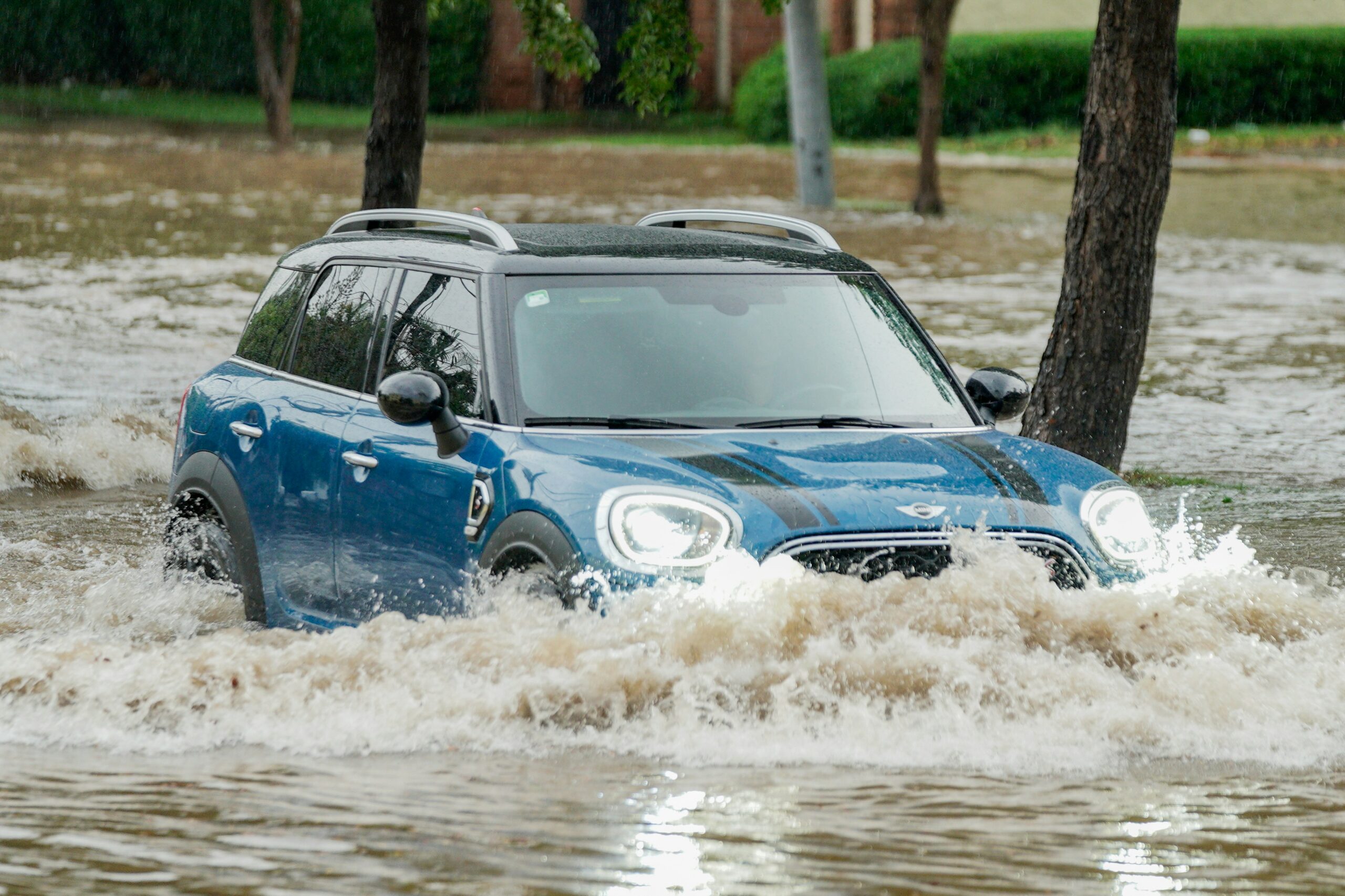
Collision car insurance coverage and comprehensive car insurance coverage are both add-ons to a car insurance policy. Collision insurance specifically protects your car for accidents, while comprehensive insurance offers protection for non-collision damages, like severe weather damage or even the theft of your car.
In contrast, liability insurance (or the bare minimum car insurance policy you can get) only covers injury or damage you cause to other people and their property. It doesn’t, however, cover any damages to your car in the case of an accident.
That’s where add-ons like comprehensive insurance and collision insurance come in handy. When lightning strikes (literally) or your new car gets tagged by a local street artist, these can be important types of coverage to have in your auto insurance policy.
At Lemonade Car, we want you to gain a better understanding and peace of mind about the safety of your vehicle and its precious cargo. Because of that, we offer multiple avenues for our policyholders to customize their auto insurance journey with additional coverage, like comprehensive insurance and collision insurance.
If you’re wondering how these options differ from and complement each other, we break it all down here.
What is comprehensive insurance?
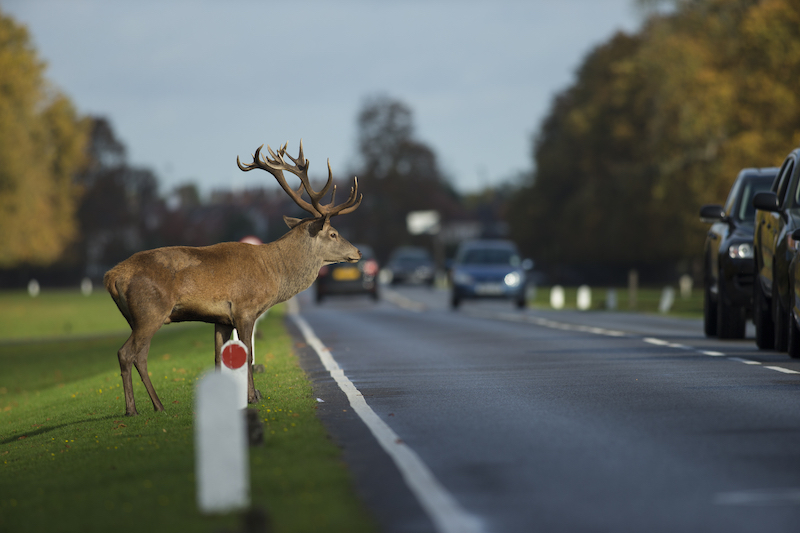
Comprehensive insurance coverage helps pay to fix damage to your car, or possibly replace it entirely, if there are damages or losses from an incident that didn’t involve a collision with another vehicle or stationary object.
There are so many scenarios that you can’t predict, but happen all the time, that comprehensive coverage is there for. Comprehensive insurance covers your car for damages caused by things that are out of your control: like vandalism, car theft, a falling tree, hitting an animal, or an “Act of God” (which usually refers to natural disasters).
What is collision insurance?
Collision insurance is coverage that helps pay to repair or replace your own car if it’s damaged in an accident with another vehicle, or a stationary object (like a fence, highway divider, and so on).
This coverage applies in a number of potential scenarios. If you’re the victim of a hit-and-run or your brake line goes out leading to a single vehicle accident, collision insurance may pay for the vehicle damage, subject to your deductible.
In short: Liability insurance (the most basic form of car insurance) covers damage to someone else’s vehicle when you’re involved in an incident. It does not cover any damage done to your own car, though. That’s where collision insurance comes in handy.
What is the difference between comprehensive car insurance and collision car insurance coverage?
Both comprehensive and collision insurance are important supplements to the liability coverage your state requires you to have, and they cover different types of incidents. We’ll break down some common scenarios to show which insurance coverage could come to the rescue in case you need to file a claim.
When your car gets damaged from a covered accident, these coverages may help pay for the repairs needed to get your car back into pre-accident condition. In the event of a total loss, they may compensate you for the actual cash value of your car.
Here’s a handy chart that illustrates which scenarios are covered by which kind of coverage:
| In a covered claim… | Comprehensive Insurance | Collision Insurance |
|---|---|---|
| You hit another car, which damaged your car | No | Yes |
| You got distracted while driving and ended up in a ditch | No | Yes |
| You lost control of your vehicle and hit a guardrail | No | Yes |
| Someone else hit you, but they don’t have enough insurance to cover the full cost of repairs to your car | No | Yes |
| You’re the victim of a hit-and-run | No | Yes |
| Someone keyed your car in a parking lot | Yes | No |
| You’re the victim of vandalism after someone shattered your window | Yes | No |
| You hit an animal (like a deer) | Yes | No |
| Your car was stolen | Yes | No |
| Your car was damaged by a natural disaster (hail, flood, etc) | Yes | No |
| Your car was hit by a falling object (like a tree) | Yes | No |
Real-world examples: When comprehensive vs. collision coverage applies
The chart above is a helpful reference, but real life is messier than a table. Here’s how these coverages actually play out in specific situations, including what you might pay and what your insurer might cover.
Hail damage to a 2019 Honda Civic
You wake up after a spring storm to find your 2019 Honda Civic covered in dents. The roof, hood, and trunk took the worst of it. The repair estimate is $4,500.
Coverage type: Comprehensive insurance covers hail damage, since it’s a weather-related event with no collision involved.
How it plays out: If you have a $500 deductible, your insurer would cover $4,000 of the repair costs and you’d pay the remaining $500 out of pocket. If the damage is severe enough that repairs exceed your car’s actual cash value, your insurer may total the car instead and pay you its ACV minus your deductible.
Rear-end collision with a luxury vehicle
You’re stuck in slow-moving traffic and tap the bumper of the BMW in front of you. Minor contact, but luxury repairs aren’t cheap. The BMW owner gets a quote for $6,800. Your own car has $2,200 in front-end damage.
Coverage type: Your liability insurance covers the damage to the BMW. Collision insurance covers the damage to your own car.
How it plays out: With a $500 deductible, you’d pay $500 and your insurer would cover the remaining $1,700 in repairs to your vehicle. Your liability coverage handles the other driver’s repairs separately, up to your policy limits.
Car theft in an urban area
You park your 2020 Toyota Camry on the street overnight. In the morning, it’s gone. The car’s current actual cash value is estimated at $18,000.
Coverage type: Comprehensive insurance covers vehicle theft.
How it plays out: Your insurer would pay you the ACV of the car minus your deductible. With a $500 deductible, that’s a potential insurance settlement of $17,500. Keep in mind: if the car is recovered but damaged, comprehensive coverage would apply to the repair costs instead.
Deer collision on the highway
You’re driving home on a rural highway and a deer runs directly into your path. You can’t stop in time. The impact causes $3,200 in damage to your front end.
Coverage type: Comprehensive insurance covers animal collisions, not collision insurance, despite what the name might suggest. This is one of the most common points of confusion between the two coverages.
How it plays out: With a $500 deductible, your insurer covers $2,700 of the repair costs. Because you didn’t hit another vehicle, your collision coverage isn’t involved at all.
Vandalism in a parking lot
You return to your car in a parking garage to find someone has keyed the entire driver’s side, cracked your windshield, and broken off your side mirror. Total damage: $2,800.
Coverage type: Comprehensive insurance covers vandalism.
How it plays out: With a $500 deductible, your insurer would cover $2,300 of the damage. You’d file a police report first, as most insurers require this for vandalism claims, and then submit your claim through the app.
Multi-car accident
You’re sideswiped by another driver who runs a red light. The other driver is clearly at fault, but their liability limits only cover $8,000 of your $14,000 in repair costs, leaving a $6,000 gap.
Coverage type: Collision insurance can step in to cover the remaining repair costs when the at-fault driver’s insurance isn’t enough.
How it plays out: You’d file a collision claim, and Lemonade covers the repair costs upfront, you only pay your deductible. From there, Lemonade handles the back-and-forth with the at-fault driver’s insurance to recover what was paid. If we’re able to recoup your deductible in that process, we’ll return it to you.
Tree falls on parked car
A storm knocks a large branch onto your parked 2021 Subaru Outback. The roof is crushed and the windshield is shattered. Repair estimate: $7,100.
Coverage type: Comprehensive insurance covers falling objects, including trees and branches.
How it plays out: With a $500 deductible, your insurer would cover $6,600. If the damage exceeds the car’s ACV, the car may be declared a total loss, and you’d receive the ACV minus your deductible as a claim payout.
Hit-and-run incident
You come back to your car in a strip mall parking lot to find the rear bumper smashed in and no note. Repairs come to $3,600.
Coverage type: Collision insurance covers hit-and-run damage to your own vehicle.
How it plays out: With a $500 deductible, your insurer covers $3,100. File a police report before submitting your claim. It’s typically required for hit-and-run incidents and helps document that the damage wasn’t caused by you.
What is “full coverage” and how do comprehensive and collision insurance fit into the mix?
Full coverage car insurance is a combination of insurance coverages designed to ‘fully’ cover you in the event of an accident. This would include coverages that aren’t legally required, but that would give you extra peace of mind in many different scenarios.
It’s important to understand that it doesn’t mean you’re covered for everything, nor does it guarantee your claim will be approved. Full coverage car insurance combines various optional coverages and endorsements to fully protect you up to any applicable limits you selected. It’s a single policy you build with your insurance company to provide the best combination of coverage for you.
If you want to feel fully covered by your Lemonade Car policy, your coverage could include a combination of collision and comprehensive insurance, in addition to bodily injury, property damage, temporary transportation coverage, and extended glass coverage.
Keep in mind that deductibles will apply for most of these coverages, and you’ll only be covered up to the liability coverage limits you set.
Do I need both comprehensive and collision coverages as part of my car insurance policy?
If you financed your car, yes, your lender will likely require these coverages to protect their investment. If you own your car outright it’s not legally required, so the question of whether or not you need comprehensive or collision coverage depends on you and the amount of financial protection you believe you need.
Nearly 4 out of 5 drivers choose both comprehensive coverage and collision coverage additions to their auto insurance policies.
Insurance Information Institute
If you can’t afford a major repair to your car after an accident, you’ll definitely want to have additional coverage for your car. (And hey, even if you’re rolling in dough, wouldn’t you rather spend some of it on vacation rather than fixing your car’s smashed bumper?)
At Lemonade Car, collision and comprehensive coverages are optional, separate add-ons to the car policy, but if you lease or take out a loan on your car, your lender or leasing company will likely require that you get both comprehensive and collision coverage.
How do I choose the best deductible for comprehensive and collision coverage additions?
The best deductible amount for additional coverage is a fine balance between your car’s value, how much you feel comfortable paying for an annual premium, and how much you’re prepared to pay out-of-pocket to repair or replace your damaged car in the event of an incident.
Lemonade Car allows you to choose your comprehensive and collision deductibles separately, setting each between $250 and $2,000 (available deductible options will vary by state).
What’s the maximum payout I can receive from my auto insurance with comprehensive coverage and collision coverage?
It’s possible that you’ll make it through a minor car accident unscathed, with zero injury to yourself or your car. Fingers crossed! But it’s more likely that you’ll end up with at least some damages to your vehicle. Depending on the car’s value and the specific damage, it’ll require either repairs or replacement.
When you file an insurance claim after a covered accident your insurance company decides the amount your car is worth at the time of the accident, known as the Actual Cash Value (ACV). Your ACV is calculated as the replacement cost of the vehicle minus depreciation (a.k.a. the devaluation of the car due to normal wear and tear).
Your ACV helps the insurance company figure out your payout for repair or replacement under a covered claim.
Let’s say you purchased a new car a year ago for $20,000. This year you’re in a covered accident resulting in some damage to your car.
Since you bought the car, the make and model has gone down in value, and your car has also depreciated in the year that you’ve driven it. The maximum possible payout for any necessary accident-related repairs or replacement would be based on the adjuster’s calculation of your car’s ACV (say $15,500) minus any applicable deductible.
Take cover…
There’s no way around it: Adding comprehensive and collision insurance to your Lemonade Car policy will cost more, but may end up saving you money in the long run.
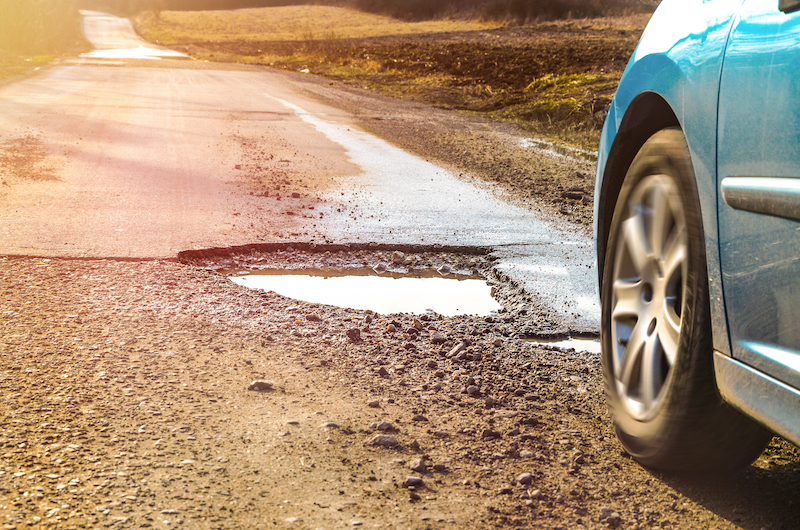
Veering towards a minimalist car policy can feel like a cheaper, simpler route. Sure, the lower month-to-month payments will help save your hard earned cash, but will you feel protected from the havoc that a hailstorm or deer can wreak on your car without comprehensive coverage? If you skip collision coverage and end up being the victim of a hit-and-run, or that pesky pothole, do you have the cash lying around to repair or replace your car completely out-of-pocket?
We encourage you to learn more about the different types of coverage that Lemonade Car has to offer and see which ones might work best for your insurance policy needs. And when you’re ready, click below to get your free digital quote.
Comprehensive vs. Collision FAQs
What is the fundamental difference between comprehensive and collision insurance?
Collision insurance covers damage to your car when you’re in an accident with another vehicle or a stationary object. Comprehensive insurance covers damage that has nothing to do with a collision: think theft, vandalism, hail, or a deer running into your path. Both are add-ons to a standard liability policy, and together they give your car a much fuller layer of protection.
Does liability insurance cover repairs to my own car after an accident?
No. Liability insurance only covers damage you cause to other people and their property. If your car gets banged up in an accident, liability won’t help pay to fix it. That’s exactly what collision insurance is for.
If I hit a deer on the highway, which specific coverage helps pay for the damage?
Comprehensive insurance. Even though it feels like a collision, hitting an animal is considered a non-collision event under your policy. It’s one of the most common mix-ups between the two coverages, but the rule of thumb is: if it’s another car or object, that’s collision. If it’s an animal, weather, or something out of your control, that’s comprehensive.
How does collision insurance protect me in the event of a hit-and-run?
If someone hits your car and drives off without leaving a note, collision coverage can step in to cover the repairs. Once you’ve filed a police report (which is typically required), you can submit your claim through the Lemonade app. With a $500 deductible, for example, your insurer would cover everything above that amount.
What are some examples of an Act of God covered by comprehensive insurance?
“Act of God” is insurance-speak for natural events outside your control. Comprehensive insurance covers things like hailstorms, floods, lightning strikes, tornadoes, and falling trees. If the weather did it, comprehensive coverage is likely the one to call on.
Am I required by law to have comprehensive and collision coverage?
No. Neither comprehensive nor collision insurance is legally required by the state. Most states only require a minimum level of liability coverage. That said, if you’re financing or leasing your car, your lender or leasing company will likely require both as part of your contract. So while it’s not a state law, it can still be a binding obligation depending on your situation.
Why do leasing companies and lenders usually require comprehensive and collision coverage?
Because they have a financial stake in the car. Until it’s paid off or the lease ends, the lender or leasing company partly owns it. They require comprehensive and collision coverage to protect that investment, which also means you’re protected while you’re still paying it off.
Does comprehensive insurance cover my car if it is stolen or vandalized?
Yes to both. If someone steals your car, comprehensive coverage would pay you the actual cash value of the vehicle minus your deductible. If someone keys your car, shatters a window, or tags it with graffiti, that’s also covered under comprehensive. You’ll typically need to file a police report before submitting a vandalism or theft claim.
How is the Actual Cash Value of my car calculated if it is declared a total loss?
Your insurer calculates the Actual Cash Value (ACV) by taking what it would cost to replace your car and subtracting depreciation, the natural wear and tear that reduces its value over time. So if you bought a car for $20,000 a year ago and it’s now worth $15,500 according to the adjuster’s assessment, that $15,500 (minus your deductible) is the most you’d receive in a total loss payout.
If a tree falls on my parked car during a storm, which insurance should I use?
Comprehensive. Falling objects, including trees and branches knocked loose by a storm, are covered under comprehensive insurance. Your car doesn’t need to be moving for the coverage to apply. If repairs exceed your car’s actual cash value, your insurer may declare it a total loss and pay you the ACV minus your deductible instead.
What happens if I hit a stationary object like a fence or a guardrail?
Collision insurance covers that. Stationary objects are explicitly part of what collision coverage is designed for, it doesn’t only apply to crashes with other vehicles. Whether it’s a guardrail, a fence, a highway divider, or even a pothole that sends your car into a curb, collision coverage is the one to use.
How do deductibles work for comprehensive and collision claims?
Your deductible is the amount you pay out of pocket before your insurance covers the rest. If your car sustains $4,500 in hail damage and your comprehensive deductible is $500, you’d pay $500 and your insurer would cover the remaining $4,000. Deductibles apply separately for comprehensive and collision claims.
A few quick words, because we <3 our lawyers: This post is general in nature, and any statement in it doesn’t alter the terms, conditions, exclusions, or limitations of the policies issued, which differ according to your state of residence. You’re encouraged to discuss your specific circumstances with your own professional advisors. The purpose of this post is merely to provide you with info and insights you can use to make such discussions more productive! Naturally, all comments by, or references to, third parties represent their own views, and Lemonade assumes no responsibility for them. Coverage may not be available in all states. Please note that statements about coverages, policy management, claims processes, Giveback, and customer support apply to policies underwritten by Lemonade Insurance Company or Metromile Insurance Company, a Lemonade company, sold by Lemonade Insurance Agency, LLC. The statements do not apply to policies underwritten by other carriers.