
How to Prepare for a Winter Storm in an Apartment
Your guide to staying cozy (and safe) during winter storms.

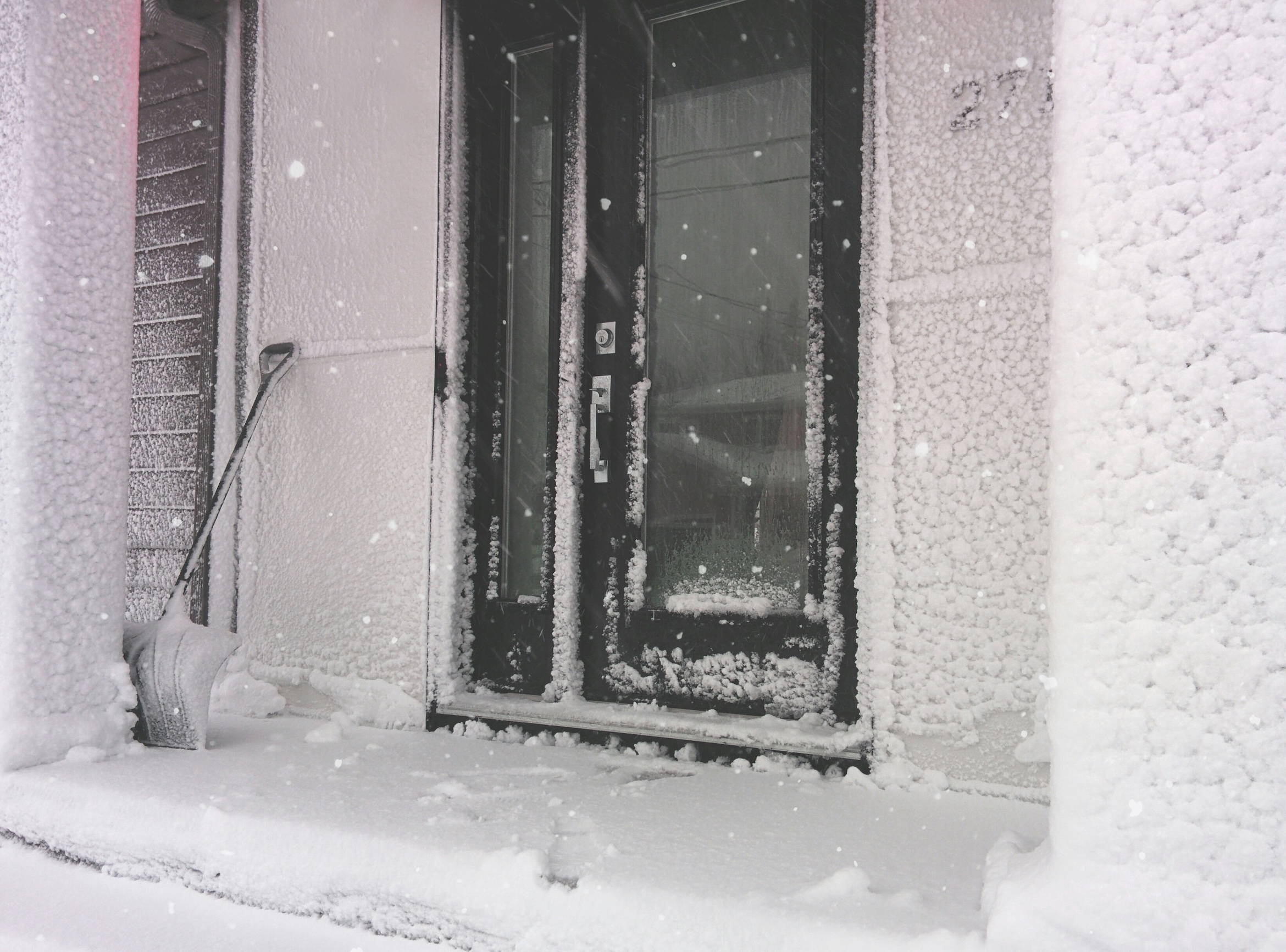
Your guide to staying cozy (and safe) during winter storms.
When a winter storm is heading your way, having a plan can mean the difference between riding it out comfortably and dealing with frozen pipes, power outages, or worse. Whether you’re facing a blizzard, snow storm, or freezing rain, this complete winter storm preparedness guide will help you protect your apartment and stay safe.
 TL;DR
TL;DR
The key to surviving a winter storm is preparation, and that means acting while you still have power, heat, and access to stores. Most apartment winter emergencies happen because renters wait too long to take protective steps, whether they’re preparing for a blizzard or a typical snow storm.
Stock up on these items before winter weather hits your area:
| Food and water | Power and communication | Warmth and comfort |
|---|---|---|
| Non-perishable food for at least 3 days (canned goods, crackers, peanut butter) | Flashlights and extra batteries (don’t rely only on your cell phone) | Extra blankets and sleeping bags |
| One gallon of drinking water per person per day | Battery-powered radio for weather updates | Warm clothing and extra layers |
| Manual can opener | Portable phone charger or power bank | First aid kit and any prescription medications |
| Extra snacks that don’t require cooking | Keep your cell phone fully charged | Fire extinguisher (check expiration date) |
Pipe protection (Do this first)
Heat retention
Final preparations
Once the winter weather arrives, your focus shifts from preparation to active safety management. The biggest risks during winter storms are carbon monoxide poisoning, frozen pipes, and losing your primary heat source.
Keep a close eye during the storm, focusing on temperature control and safety.
Keep your thermostat at a consistent temperature and don’t let it fluctuate. If you lose power, gather in the warmest room with extra blankets and layer warm clothing instead of cranking up a space heater. Conserve body heat by staying active and eating warm foods.
Watch for danger signs throughout the storm: if indoor temperatures drop near 40°F, run faucets slightly to prevent frozen pipes. Never use camp stoves, grills, or generators indoors, as they produce deadly carbon monoxide. If you smell gas or suspect a leak, leave immediately and call from outside. Keep walkways to exits clear of snow and ice so you can safely evacuate if needed.
Immediate steps to take:
Safety first
Contact property management immediately if:
The end of a winter storm doesn’t mean the danger is over. Many apartment problems (like burst pipes and water damage) become apparent only after temperatures start rising and ice begins to thaw.
Inspect your apartment
Check outside
If you discover frozen pipes:
If pipes have burst:
Replenish your emergency supplies as soon as it’s safe to go out. Replace any food or water you used during the storm, and recharge all electronic devices and battery packs while power is restored. Check expiration dates on batteries and replace if needed, then restock first-aid supplies and medications that may have been used or are running low.
Prepare for next time by reflecting on your experience while it’s still fresh. Note what worked well and what you wish you’d had available during the storm. Consider upgrading your emergency supplies based on your experience: maybe you needed more flashlights, different types of food, or additional blankets. Check weather stripping and insulation for any damage that may have occurred, and schedule maintenance with property management if you discovered any issues with your heating system or apartment infrastructure.
Even the best preparation can’t prevent every type of winter weather damage. When frozen pipes burst or power lines fail, your personal belongings and living situation can be seriously affected, and that’s where renters insurance becomes essential.
Storm-related damage
Through Loss of Use coverage, if your apartment becomes uninhabitable due to winter weather damage, renters insurance often covers:
Pro-tip: The best time to get renters insurance is before you need it. Winter storms are unpredictable, but being financially protected doesn’t have to be.
Winter storms are unpredictable, but your response doesn’t have to be. By following this three-phase approach you’ll be ready for whatever the winter season brings.
While you can winterize your apartment and stock up on emergency supplies, you can’t control everything that severe weather might throw at you. That’s where renters insurance makes the difference between a manageable inconvenience and a financial disaster, covering water damage to your belongings and temporary housing if your apartment becomes uninhabitable.
Ready to protect your apartment and belongings this winter season? Get a renters insurance quote in just a few minutes and make sure you’re covered before the next storm arrives.
Start your blizzard preparedness 24-48 hours before the storm hits. Stock up on non-perishable food for 3+ days, drinking water, flashlights, extra batteries, and warm clothing. Open cabinet doors under sinks, let faucets drip slightly, and never let your thermostat drop below 55°F. Blizzards often bring extended power outages, so have a battery-powered radio and portable phone charger ready.
Start 24-48 hours before freezing weather arrives. Open cabinet doors under sinks, let faucets drip slightly, seal drafts with weather stripping, and never let your thermostat drop below 55°F. Stock up on emergency supplies including flashlights, extra batteries, non-perishable food, and drinking water.
The 4 P’s are People, Pipes, Plants, and Pets. Protect people with warm clothing and emergency supplies, prevent pipes from freezing by letting faucets drip and keeping cabinets open, bring plants indoors, and ensure pets have warm shelter and access to unfrozen water.
Essential snow storm prep includes: non-perishable food (3+ days), drinking water (1 gallon per person daily), flashlights and extra batteries, battery-powered radio, warm clothing and blankets, first aid supplies, prescription medications, portable phone charger, and fire extinguisher. Don’t forget to protect pipes by opening cabinets and letting faucets drip.
Keep your thermostat at least 55°F at all times, even when you’re away or trying to save money. This prevents frozen pipes and maintains a safe indoor environment. During winter storms or extreme cold, consider setting it higher (65-68°F) for comfort and safety.
A few quick words, because we <3 our lawyers: This post is general in nature, and any statement in it doesn’t alter the terms, conditions, exclusions, or limitations of policies issued by Lemonade, which differ according to your state of residence. You’re encouraged to discuss your specific circumstances with your own professional advisors. The purpose of this post is merely to provide you with info and insights you can use to make such discussions more productive! Naturally, all comments by, or references to, third parties represent their own views, and Lemonade assumes no responsibility for them. Coverage and discounts may not be available in all states.
Share


Please note: Lemonade articles and other editorial content are meant for educational purposes only, and should not be relied upon instead of professional legal, insurance or financial advice. The content of these educational articles does not alter the terms, conditions, exclusions, or limitations of policies issued by Lemonade, which differ according to your state of residence. While we regularly review previously published content to ensure it is accurate and up-to-date, there may be instances in which legal conditions or policy details have changed since publication. Any hypothetical examples used in Lemonade editorial content are purely expositional. Hypothetical examples do not alter or bind Lemonade to any application of your insurance policy to the particular facts and circumstances of any actual claim.