
What Is Personal Liability Insurance for Renters?
Personal liability coverage financially protects you against accidental bodily injury or property damage to other people.

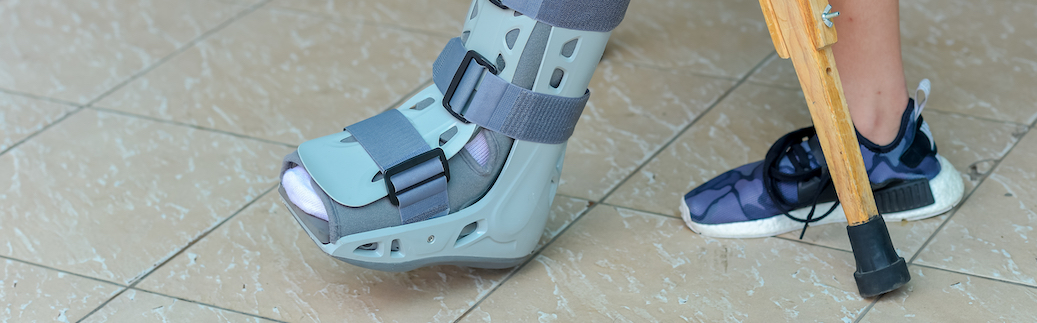
Personal liability coverage financially protects you against accidental bodily injury or property damage to other people.
Renters personal liability insurance can help if you accidentally cause damage to someone’s property, or if someone is injured at your rental property (for instance, if they break a leg during a Friday night dance party). Should the other person sue you or file a claim against you for these damages, it offers financial protection up to your personal liability coverage limit.
Before we get into the details, here’s a quick video that walks through how renters insurance works, including the liability coverage that this article focuses on.
Your personal liability insurance will help cover legal or medical fees related to injuries or property damage, depending on what happened.
Here’s what your personal liability insurance would likely cover:
It’s one thing to know what personal liability insurance covers in theory. It’s another to see how it plays out when something actually goes wrong. Here are four real-world scenarios that show what a claim looks like from start to finish, including realistic dollar amounts and outcomes.
You host a dinner party. A guest trips over a rug in your hallway and breaks their wrist. They need emergency care, follow-up appointments, and physical therapy, totaling $18,000 in medical bills. They also file a lawsuit for lost wages during recovery, adding $12,000 in legal fees.
Your personal liability insurance covers both the medical bills and the legal defense costs, up to your policy limit. With $100,000 in coverage, this $30,000 claim would be fully covered. With a $300,000 limit, you’d have plenty of buffer if the lawsuit escalates.
Slip-and-fall injuries are among the most common personal liability claims for renters. Even a minor injury can result in significant costs once legal fees are factored in.
A delivery driver drops off a package at your door. Your dog gets out and bites them on the leg, requiring stitches and a tetanus shot. The driver sues for $25,000, including medical costs and pain and suffering damages.
If your dog’s breed is not excluded under your policy, your personal liability coverage applies. It covers the medical expenses and legal defense costs up to your liability limit. That said, certain breeds may be excluded depending on your insurer, so it’s worth reading your policy carefully before you need it.
Pet liability is built into standard renters insurance policies for most breeds. But breed-specific exclusions are real, and worth knowing about upfront.
You leave the stove on while cooking and a small fire damages your rental kitchen, scorching the cabinets and countertops. Your landlord estimates the repair cost at $8,500 and expects you to cover it.
Personal liability coverage for renters typically covers accidental fire, smoke, or explosion damage to a rental unit. Your policy would cover the repair costs up to your liability limit, protecting you from paying out of pocket.
This is one of the few scenarios where personal liability coverage applies to your rental unit itself. Most building damage isn’t covered, but fire-related damage is a standard exception.
You’re moving furniture and knock a heavy item through the shared wall into your neighbor’s apartment, damaging their television and a bookcase. Total replacement cost: $2,200.
Property damage you accidentally cause to others, including neighbors, is covered under personal liability. Your insurer would pay the replacement costs up to your limit, and you’d avoid a dispute or small claims court situation with your neighbor.
Accidental property damage to others doesn’t have to happen inside your home. Personal liability coverage extends to situations where you inadvertently damage someone else’s belongings, wherever that happens.
When you’re a renter, personal liability coverage only applies to certain things.
Your renters insurance would not cover:
Personal liability insurance coverage for renters typically starts at $100,000, which means your renters insurance company will pay up to $100,000 in legal fees, medical expenses, or damages per liability claim.
As a rule of thumb, you need enough personal liability insurance to cover the potential costs of any medical bills or litigation fees.
While you’re able to customize your limits, a higher coverage amount would result in an increased premium.
Still unsure how much personal liability insurance is right for you? Check out our comprehensive guide to determining how much renters insurance to get.
Personal liability insurance is usually included as a subcategory of your total renters insurance coverage. And, according to ValuePenguin.com, the average cost of renters insurance across the U.S. is around $23/month in 2025. (FYI, the average cost of Lemonade Renters insurance across the U.S. is $16/month.)
Your specific price will depend on a number of factors, including where you live, as well as the specific policy limits you set for things like personal liability coverage.
Yes, renters personal liability insurance and landlord insurance cover different things: one protects your interests, and the other protects your landlord’s. Your landlord’s policy typically covers the building and their personal property while renters personal liability insurance covers you for costs associated with injuries or damages you might cause to others on or off your rental property.
Yes, at Lemonade, you have the power of customizing your policy to include additional liability protections not included in a standard policy. While your standard policy will only cover damages you accidentally cause to your rental property that are related to fire, smoke, or an explosion, you can also purchase individual endorsements for pet damage and water damage.
Yes, personal liability insurance typically covers injuries or damages that you accidentally cause outside of your home. For example, if your dog bites another person at a public park and that person takes legal action, your personal liability insurance could cover the associated legal and medical fees. However, it’s important to review your specific policy details for exceptions, as coverage can vary.
Tenant liability insurance covers your liability for any damage you might do to your landlord’s property-which, with a few exceptions, isn’t covered by a standard renters insurance policy. But a tenant liability insurance policy won’t cover any damage to your personal property. For that, you’ll need a renters insurance policy.
Liability coverage pays when you’re legally responsible for someone’s injury or property damage. Someone slips in your apartment and sues you. You accidentally damage your neighbor’s property. Your liability coverage can handle legal costs, medical bills, and damages up to your policy limits. Standard policies typically offer $100K to $500K in liability coverage. At Lemonade, you can adjust your liability limits right in the app when you set up your policy. Read the full thread on Reddit
Most landlords require at least $100K in liability coverage, though many ask for $300K. Check your lease for the specific amount since it varies by property. Higher limits don’t cost much more and protect you better too. At Lemonade, liability is built into every renters policy and you can adjust your limits to meet your landlord’s requirements right during the quote. Read the full thread on Reddit
Contact your insurer as soon as possible. They handle the legal defense up to your policy limits and may negotiate settlements. If you’re facing exposure beyond your limits, consider increasing your liability coverage or adding an umbrella policy. It’s much easier to increase limits before a specific situation arises than after. At Lemonade, adjusting your liability limit is a quick change in the app. Read the full thread on Reddit
Most renters go with $300K.² It doesn’t cost much more than $100K, but if someone gets seriously hurt and decides to sue, medical bills and legal fees add up fast. The extra coverage is usually worth the small premium difference. At Lemonade, bumping up your liability limit is a quick adjustment during the quote process. ² $300K is a commonly recommended liability limit for renters. Your individual needs may differ based on your personal circumstances and risk profile. Read the full thread on Reddit
Renters insurance liability coverage protects you if your pet injures someone or damages their property. That’s standard, not a separate add-on. What it doesn’t cover is vet bills or illness. That’s pet insurance, which is a completely separate product. At Lemonade, pet liability is included in your renters policy. However, certain breeds are excluded from liability coverage including Akitas, Pit Bulls, Rottweilers, Chows, and Dobermans – so check your policy details to confirm your pet is covered. Read the full thread on Reddit
A few quick words, because we <3 our lawyers: This post is general in nature, and any statement in it doesn’t alter the terms, conditions, exclusions, or limitations of the policies issued, which differ according to your state of residence. You’re encouraged to discuss your specific circumstances with your own professional advisors. The purpose of this post is merely to provide you with info and insights you can use to make such discussions more productive! Naturally, all comments by, or references to, third parties represent their own views, and Lemonade assumes no responsibility for them. Coverage may not be available in all states. Please note that statements about coverages, policy management, claims processes, Giveback, and customer support apply to policies underwritten by Lemonade Insurance Company or Metromile Insurance Company, a Lemonade company, sold by Lemonade Insurance Agency, LLC. The statements do not apply to policies underwritten by other carriers.
Please note: Lemonade articles and other editorial content are meant for educational purposes only, and should not be relied upon instead of professional legal, insurance or financial advice. The content of these educational articles does not alter the terms, conditions, exclusions, or limitations of policies issued by Lemonade, which differ according to your state of residence. While we regularly review previously published content to ensure it is accurate and up-to-date, there may be instances in which legal conditions or policy details have changed since publication. Any hypothetical examples used in Lemonade editorial content are purely expositional. Hypothetical examples do not alter or bind Lemonade to any application of your insurance policy to the particular facts and circumstances of any actual claim.