
Can Cats Get Obese, and What Can You Do About It?
How to check body condition score, causes, and how to help them lose weight safely.

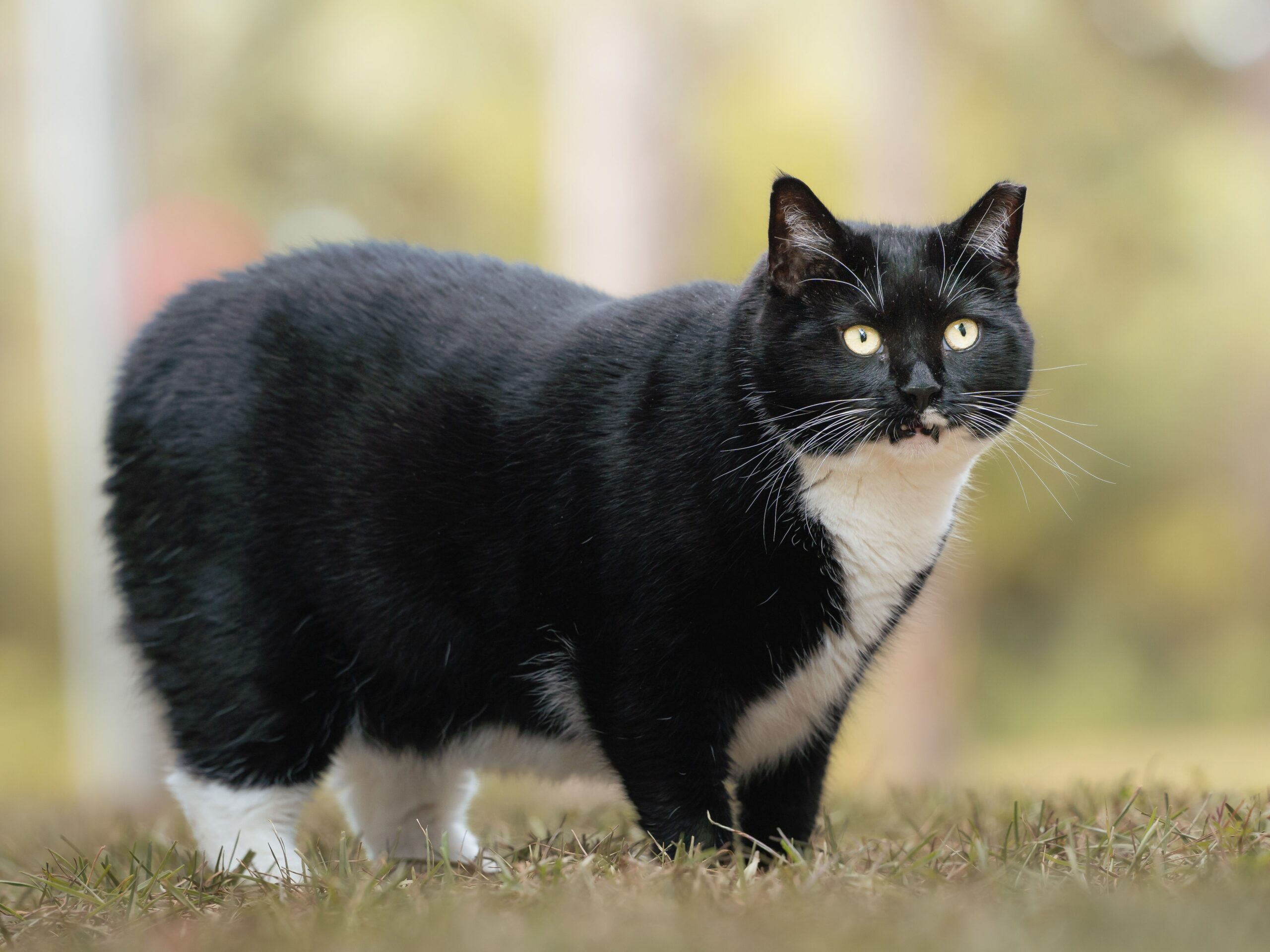
How to check body condition score, causes, and how to help them lose weight safely.
If your cat has been spending more time on the couch than the cat tree lately, you’re not alone. Cat obesity is one of the most common health concerns vets see, and extra weight tends to creep up slowly, especially in indoor cats with unlimited food access. Catching it early and taking the right steps can make a real difference for your cat’s health and quality of life.
Here’s what you need to know.
 TL;DR
TL;DR
A chubby cat might look adorable, but carrying extra weight puts real strain on their body. Obesity in cats is linked to a higher risk of type 2 diabetes, osteoarthritis (joint inflammation that makes movement painful), urinary tract disease, high blood pressure, and a shorter lifespan overall.
Studies consistently show that cats at a healthy weight live longer than overweight cats, with some research suggesting a meaningful difference in years, not just months. An indoor cat that spends most of the day sedentary is especially vulnerable, since less movement means fewer calories burned.
Most cases come down to a simple imbalance: more calories in than out. But a few common factors make that imbalance more likely:
The number on a scale only tells part of the story. Vets use a body condition score (BCS), a 1-to-9 scale, to assess whether a cat’s weight is healthy for their individual frame. A score of 5 is ideal, 6–7 is overweight, and 8–9 is obese. A cat is considered morbidly obese when they’re more than 40% above their ideal weight.
You can do a rough at-home check using three simple observations:
This check can help you get a sense of where your cat stands, but it’s not a substitute for a vet assessment. Your vet can give you an actual target weight and a safe rate of loss to aim for.
Rapid weight loss in cats is genuinely dangerous. When a cat stops eating or dramatically cuts calories too fast, their body starts pulling fat into the liver for energy. The liver can’t process fat efficiently, and this leads to hepatic lipidosis, also called fatty liver disease, a condition that can be life-threatening without veterinary treatment.
Even if your cat is significantly overweight, the goal is slow and steady. Most vets recommend no more than 0.5 to 2% of body weight loss per week. It takes months, not weeks, and that’s exactly what safe looks like.
Your vet will combine the body condition score with your cat’s current weight, breed, age, and health history to determine their ideal weight. For most domestic cats, a healthy weight falls somewhere between 8 and 10 pounds, but that range varies. A large Maine Coon and a petite Siamese have very different healthy weights, so there’s no single threshold that applies to every cat.
Your vet can walk you through a body condition chart and show you exactly where your cat lands. They may also run bloodwork to rule out underlying conditions like hypothyroidism (an underactive thyroid) or diabetes that could be contributing to weight gain.
Once your vet has confirmed a target weight and a safe rate of loss, here’s what a practical weight management plan usually looks like:
Portion control starts with measured meals. Free feeding makes it nearly impossible to manage calorie intake. Instead, divide your cat’s daily food allowance, based on your vet’s guidance, into two or three small meals. Use a kitchen scale or a measuring cup consistently, since guessing tends to lead to overfeeding over time.
Your vet may recommend a prescription or veterinary-grade weight management food. These are formulated to be lower in calories while still providing the protein and nutrients cats need. Cats are obligate carnivores, meaning they need a high-protein diet, so low-fat doesn’t automatically mean low-calorie, and cheap diet foods don’t always deliver the right balance.
Food puzzles are one of the most effective tools for indoor cats trying to lose weight. They slow eating, engage your cat’s brain, and tap into natural hunting instincts. Daily interactive play sessions with a wand toy or laser pointer add calories burned and break up a sedentary day. Even 10–15 minutes of active play twice a day makes a real difference over time.
Regular weigh-ins, every four to six weeks during active weight loss, help your vet confirm that your cat is losing at a safe rate and adjust the plan if needed. If the loss stalls or speeds up too fast, your vet can recalibrate before it becomes a problem.
Vet visits and treatment for obesity-related conditions like diabetes and arthritis can add up quickly. Lemonade’s base illness coverage can help with those costs, including diabetes management and arthritis care, subject to the standard 14-day illness waiting period and as long as those conditions aren’t pre-existing when you enroll.
One important note: prescription or therapeutic diets aren’t covered under the base policy, even when recommended by a vet for weight management. Food is excluded from coverage across all Lemonade Pet plans.
A Lemonade Preventative Care add-on can help offset the cost of routine wellness visits, including the regular weigh-ins that matter during a weight loss program. Enrolling before your cat develops obesity-related conditions gives you the broadest coverage when you need it most.
Realizing your cat is overweight can feel like a gut punch, especially if you’ve been generous with treats out of love. But recognizing it and doing something about it is genuinely one of the best things you can do for them. With your vet’s guidance, a structured plan, and a little patience, gradual weight loss is absolutely achievable, and the payoff for your cat’s comfort, mobility, and long-term health is real. Start with a vet appointment, get a target weight, and take it one measured meal at a time.
A cat is considered obese when their body weight is more than 20% above their ideal weight, which typically corresponds to a body condition score of 8 or 9 out of 9. Morbidly obese cats are more than 40% above their ideal weight. Your vet can assess your cat’s body condition score and give you a specific target weight.
An obese cat typically has a visibly rounded belly that hangs low, no visible waist when viewed from above, and ribs that are difficult or impossible to feel through a layer of fat. Their movement may also seem slower or more labored than usual.
Most domestic cats have an ideal weight between 8 and 10 pounds, but this varies significantly by breed and frame. A Maine Coon’s healthy weight is much higher than a Siamese’s, for example. Your vet is the best person to set an individual target weight for your cat.
Most vets recommend no more than 0.5–2% of body weight loss per week. Faster weight loss can trigger hepatic lipidosis, a serious and potentially life-threatening liver condition. Safe, gradual weight loss under vet supervision is the only recommended approach.
Lemonade Pet insurance can help cover treatment for conditions that develop as a result of obesity, like diabetes and arthritis, as long as they aren’t pre-existing conditions. A Preventive Care add-on can also help with the cost of routine weigh-ins and wellness visits during a weight management program.
A few quick words, because we <3 our lawyers: This post is general in nature, and any statement in it doesn’t alter the terms, conditions, exclusions, or limitations of the policies issued, which differ according to your state of residence. You’re encouraged to discuss your specific circumstances with your own professional advisors. The purpose of this post is merely to provide you with info and insights you can use to make such discussions more productive! Naturally, all comments by, or references to, third parties represent their own views, and Lemonade assumes no responsibility for them. Coverage may not be available in all states. Please note that statements about coverages, policy management, claims processes, Giveback, and customer support apply to policies underwritten by Lemonade Insurance Company or Metromile Insurance Company, a Lemonade company, sold by Lemonade Insurance Agency, LLC. The statements do not apply to policies underwritten by other carriers.
Please note: Lemonade articles and other editorial content are meant for educational purposes only, and should not be relied upon instead of professional legal, insurance or financial advice. The content of these educational articles does not alter the terms, conditions, exclusions, or limitations of policies issued by Lemonade, which differ according to your state of residence. While we regularly review previously published content to ensure it is accurate and up-to-date, there may be instances in which legal conditions or policy details have changed since publication. Any hypothetical examples used in Lemonade editorial content are purely expositional. Hypothetical examples do not alter or bind Lemonade to any application of your insurance policy to the particular facts and circumstances of any actual claim.