

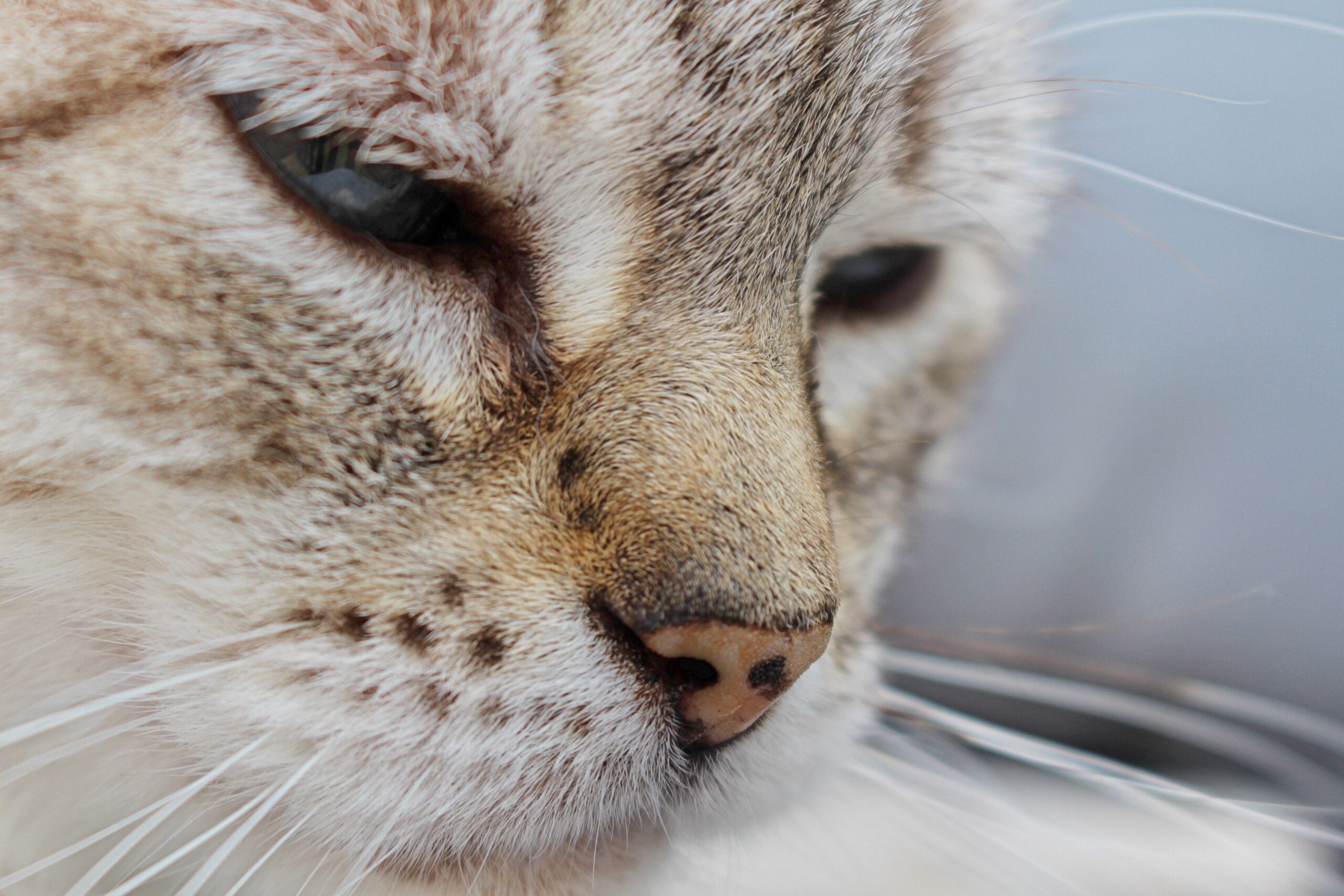
You’re petting your cat and notice something odd: tiny black specks or small bumps clustered under their chin. Before you spiral, take a breath. What you’re likely looking at is cat acne, one of the most common and manageable skin conditions in cats. It can look alarming, but it’s usually not a big deal.
That said, not every black speck is acne, and not every case of acne stays mild. Here’s how to tell what you’re dealing with, what causes it, and how to treat it.
 TL;DR
TL;DR
- Cat acne (feline chin acne) is caused by clogged hair follicles on the chin and lips, and often looks like blackheads or small bumps.
- Plastic food bowls are a major trigger. Switching to stainless steel or ceramic is often the first fix.
- Black specks under the chin can be acne, flea dirt, or chin mites. Each needs a different response.
- Mild cases can often be managed at home with gentle cleansing and chlorhexidine wipes, but infections need vet care.
- Cat acne is covered under Lemonade Pet illness coverage if it leads to a secondary skin infection, as long as it’s not pre-existing and develops after the 14-day illness waiting period has passed.
What does cat acne look like?
Cat acne almost always appears on the chin and, less commonly, around the lips. At its mildest, it shows up as tiny black dots (basically blackheads) clustered along the underside of the chin. These are called comedones, the medical term for clogged pores or hair follicles.
As it progresses, you might notice:
- Tiny black specks along the chin or lip line: Often the first thing owners notice. If they’re embedded in the skin and don’t wipe off, this is likely acne. Monitor and try the home steps below.
- Small red or raised bumps: A step beyond blackheads. If bumps are developing, keep an eye on whether they’re growing or spreading.
- Swelling, puffiness, or obvious soreness: This is where acne stops being mild. If the chin looks swollen or your cat flinches when you touch it, see a vet within a few days.
- Oozing or discharge: A sign of secondary infection. See a vet today.
- Persistent itching or scratching at the chin: If your cat can’t leave their chin alone, it’s worth investigating more closely, either with a vet visit or a closer look to rule out mites or fleas.
What causes cat acne?
Cat acne happens when hair follicles on the chin get clogged with oil and dead skin cells. This is called follicular keratinization, which sounds complicated but just means the skin cells aren’t shedding properly, so they build up and block the follicle.
A few things make this more likely:
- Plastic food bowls. Plastic scratches easily over time, and those tiny grooves harbor bacteria. Every time your cat eats or drinks, that bacteria contacts their chin. It’s one of the most common triggers, and one of the easiest to fix.
- Poor grooming or oily skin. Some cats, especially those with naturally oilier skin, are just more prone to buildup.
- Stress. Stress can affect skin health in cats just like it does in people.
- Underlying conditions. Allergies, hormonal issues, or other skin conditions can sometimes contribute.
Acne, flea dirt, or chin mites? How to tell the difference
These three things can look nearly identical but need completely different treatment. Here’s how to tell them apart.
| Cat chin acne | Flea dirt | Chin mites | |
|---|---|---|---|
| What it looks like | Black specks embedded in the skin; small bumps or redness nearby | Black specks that may appear anywhere on the body | Intense itching, hair loss, thickened or scaly skin |
| Does it wipe off? | No | Yes, turns reddish-brown on a damp paper towel | Doesn’t wipe off; skin looks affected |
| Key test | Visual inspection | Damp white paper towel test | Skin scraping by your vet |
| Other signs | Mild scratching; chin-focused | Check tail base and belly for more signs | More intense scratching than typical acne |
| What to do | Home care or vet if infected | Treat for fleas | Vet visit required |
If the paper towel test rules out flea dirt and your cat is intensely itchy with hair loss, see a vet rather than treating for acne. Guessing wrong just delays the right fix.
How to treat cat acne
Good news: mild cat acne often responds well to some simple changes at home. Here’s the general approach, starting with the easiest steps.
Switch your bowls
If you’re using plastic food or water bowls, swap them out for stainless steel or ceramic. This one change alone clears up acne in a lot of cats. Make sure to wash the bowls daily, too.
Gently cleanse the area
For mild cases, your vet may recommend wiping the chin with a warm, damp cloth to help loosen the buildup. Chlorhexidine wipes, an antiseptic option available at most pet stores, can also help keep the area clean and reduce bacteria. Don’t scrub hard; the chin skin is sensitive, and irritating it further can make things worse.
When to call the vet
Some cases need more than home care. Get your vet involved if:
- The area is swollen, oozing, or clearly painful
- Your cat won’t stop scratching at their chin
- The acne keeps coming back despite home treatment
- You’re not sure whether it’s acne, flea dirt, or chin mites
For moderate to severe cases, vets may prescribe topical or oral antibiotics (if there’s a secondary bacterial infection), medicated shampoos or wipes, or in stubborn cases, other medications to address underlying causes like allergies.
Does pet insurance cover cat acne treatment?
Treatment costs for mild acne are usually modest, but if things escalate to a secondary skin infection requiring antibiotics and vet visits, costs can add up.
Cat acne is covered under Lemonade Pet illness coverage when it leads to a secondary infection requiring veterinary treatment, as long as it’s not pre-existing and develops after the 14-day illness waiting period has passed. If your cat already has acne when you enroll, treatment related to that specific condition likely won’t be eligible. Enrolling before symptoms appear is the move.
Before we go
Cat acne is common, usually mild, and very treatable. If you spot black specks or bumps on your cat’s chin, start by ruling out flea dirt and mites, then try switching to stainless steel bowls and keeping the area clean. Most cats improve with those simple steps. If things look infected, painful, or just aren’t clearing up, your vet is the right next call.
Frequently Asked Questions
Is cat acne contagious to other pets or people?
No. Feline chin acne is not contagious. It’s caused by clogged hair follicles and skin oil buildup, not by a transferable pathogen.
Can cat acne go away on its own?
Mild cases sometimes resolve on their own, especially if the trigger (like a plastic bowl) is removed. More persistent or severe cases usually need active treatment.
How do I know if my cat's acne has become infected?
Signs of a secondary infection include swelling, redness, oozing or pus, increased pain, or your cat frequently pawing at their chin. If you see any of these, contact your vet.
Are certain cats more prone to chin acne?
Any cat can develop acne, but cats with naturally oily skin or those who eat and drink from plastic bowls are more commonly affected. Age and breed don’t appear to be strong risk factors.
Can I use human acne products on my cat?
No. Human acne treatments often contain ingredients like benzoyl peroxide or salicylic acid that can be toxic to cats. Always use products specifically recommended by your vet.
A few quick words, because we <3 our lawyers: This post is general in nature, and any statement in it doesn’t alter the terms, conditions, exclusions, or limitations of the policies issued, which differ according to your state of residence. You’re encouraged to discuss your specific circumstances with your own professional advisors. The purpose of this post is merely to provide you with info and insights you can use to make such discussions more productive! Naturally, all comments by, or references to, third parties represent their own views, and Lemonade assumes no responsibility for them. Coverage may not be available in all states. Please note that statements about coverages, policy management, claims processes, Giveback, and customer support apply to policies underwritten by Lemonade Insurance Company or Metromile Insurance Company, a Lemonade company, sold by Lemonade Insurance Agency, LLC. The statements do not apply to policies underwritten by other carriers.