
How Much Do Rabies Shots Cost For Cats in 2026?
Your feline friend will need this vaccine as a kitten, and into their adult life.

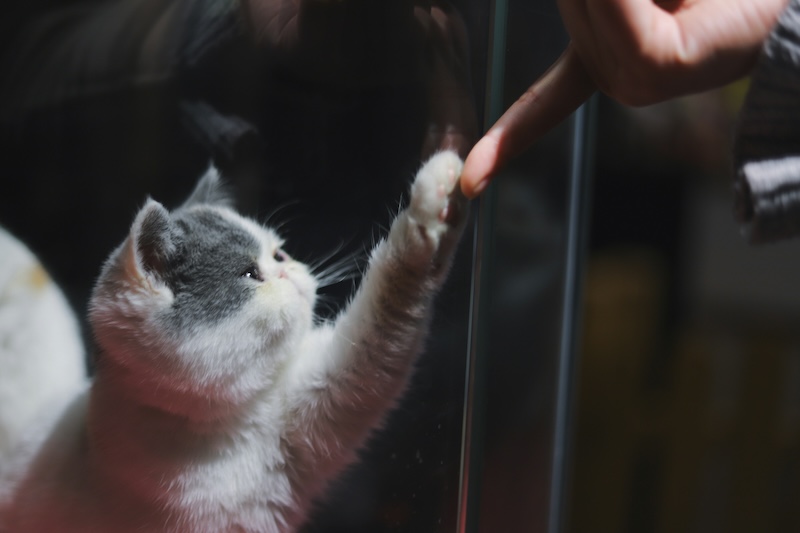
Your feline friend will need this vaccine as a kitten, and into their adult life.
 Reviewed by Dr. Stephanie LiffLast Updated:
In most states, it’s required by law that cats get the rabies vaccine. Based on real vet bills from Lemonade-insured pets, the national average cost is $68 per dose, with prices ranging from $34 to $121 depending on where you live. Your cat will need one initial dose starting at twelve to sixteen weeks old, plus boosters either annually or every three years depending on their lifestyle and your state’s requirements.
Or if you’re short on time, click below for a handy timeline of all the vaccinations your furry friend will need during kittenhood, plus a vaccination record template to help keep track of their vaccination schedule.
 TL;DR

Rabies is a deadly and aggressive viral disease that affects the nervous system of mammals, including cats. It is typically transmitted through the bite or scratch of an infected animal. In North America, rabies most typically spreads from infected bats, raccoons, skunks, or foxes.
Once infected with rabies, cats can take three to eight weeks to start showing symptoms, which can include:
Unfortunately, rabies in cats can only be prevented before these symptoms occur. Once symptoms appear, the disease progresses rapidly, and a cat can die within seven to ten days.
Luckily for cat parents, there is a rabies vaccine available that can prevent this heartbreaking disease.
Just like other cat vaccinations, the rabies vaccine stimulates the immune system to produce a protective response. This defense guards your cat if they’re ever exposed to the virus.
Besides rabies, essential (or “core”) vaccines will typically include FVRCP (feline distemper, feline rhinotracheitis virus, and feline calicivirus). Non-core vaccines, given based on the risk factors of the cat-like their lifestyle-could include Feline Leukemia (FeLV) and Feline Chlamydia.
Based on real vet bills submitted by Lemonade pet parents, the national average cost of the rabies vaccine for cats is $68 per dose. Since this vaccine is legally required in most states, it’s a cost every cat owner will encounter, and knowing what pet parents in your state are paying can help you plan ahead.
Here’s what Lemonade-insured pet parents paid on average, by state:
| State | Average cost |
|---|---|
| AL | $41 |
| AR | $41 |
| AZ | $48 |
| CA | $81 |
| CO | $58 |
| CT | $64 |
| DC | $72 |
| DE | $56 |
| FL | $55 |
| GA | $53 |
| HI | $52 |
| IA | $42 |
| IL | $76 |
| IN | $47 |
| LA | $41 |
| MA | $103 |
| MD | $59 |
| MI | $51 |
| MN | $51 |
| MO | $50 |
| MS | $36 |
| MT | $39 |
| NC | $46 |
| ND | $34 |
| NE | $42 |
| NH | $55 |
| NJ | $66 |
| NM | $53 |
| NV | $43 |
| NY | $97 |
| OH | $50 |
| OK | $38 |
| OR | $121 |
| PA | $73 |
| RI | $51 |
| SC | $46 |
| TN | $48 |
| TX | $45 |
| UT | $37 |
| VA | $60 |
| WA | $73 |
| WI | $55 |
There’s a wide spread of costs across the country, from $34 in North Dakota to $121 in Oregon. Your location, the type of clinic you visit, and which round of the vaccine series it is can all play a role in what you pay.
Massachusetts ($103) and New York ($97) are the priciest states in the dataset, both well above the national average, and consistent with what we’ve seen from these states across other vaccine articles. New Jersey ($66), DC ($72), and Pennsylvania ($73) are all above the national average but more in line with typical Northeast pricing. Connecticut ($64) is relatively affordable for the region.
The South is consistently the most affordable region for the cat rabies vaccine. North Dakota ($34), Mississippi ($36), and Utah ($37) are among the lowest in the dataset. Alabama, Arkansas, and Louisiana both come in at $41, making them some of the most wallet-friendly states overall. Texas ($45) is a slight exception, landing below the national average despite being a large and diverse market.
Oregon ($121) is the highest figure in the entire dataset, sitting well above neighboring California ($81) and Washington ($73). We’ve seen Oregon run high consistently across multiple vaccine articles, which likely reflects higher vet overhead in that market. California and Washington both land above the national average, consistent with their higher cost of living. Hawaii ($52) is notably more affordable than you might expect, coming in below the national average.
The Midwest is largely affordable for this vaccine. North Dakota ($34), Utah ($37), Oklahoma ($38), and Montana ($39) are among the most affordable states in the dataset. Ohio ($50), Missouri ($50), and Michigan ($51) all land just below the national average, making the Midwest one of the more budget-friendly regions overall.
A few other things that can affect what you pay:
Here’s the bottom line: since rabies vaccination is legally required in most states, this isn’t a cost you can skip. At a national average of $68 per dose, it’s a manageable investment, and one that protects your cat from one of the most serious and heartbreaking diseases they could encounter.
There is no perfect, one-size-fits-all-paws kitten vaccination schedule. Make these decisions together with your vet.
Lemonade’s favorite vet expert, Dr. Stephanie Liff, recommends that kittens receive their first rabies vaccine at or after 12 weeks of age, then annually for outdoor cats or every three years for indoor cats. However, whether your cat receives the one-year or three-year vaccine can also depend on the manufacturer of the vaccine your vet uses. But this will also depend on the laws in your state, and the specific risk factors of your kitty.
Yes, pet insurance can include wellness coverage for vaccinations, including the rabies vaccines, when administered by a licensed vet. Coverage specifics depend on your plan selection, deductibles, and co-insurance.
Lemonade’s preventative care options can help cover vaccination costs, including rabies shots. Coverage varies by plan-from basic vaccination coverage to unlimited vaccines in enhanced packages available in select states.
Enhanced preventative care may also help with microchipping, spay/neuter procedures, heartworm prevention, and other routine care, depending on your package.
Our preventative care packages can also help cover booster shots your cat needs throughout their life as part of ongoing rabies prevention.

While side effects post-rabies shot aren’t super common, some cats might experience specific symptoms after their vaccination, including:
In rare cases, they may have an allergic reaction that requires immediate veterinary attention. According to Dr. Liff, the signs of an allergic reaction may include:
If you suspect your cat is having an allergic reaction to the rabies vaccine, you should call your vet ASAP, or bring your cat to the closest emergency vet.
Keep in mind that the benefits of protecting your cat from rabies and other infectious diseases, like the feline leukemia virus or feline panleukopenia, far outweigh the potential risk of side effects.
Investing in pet insurance early in your kitten’s life can help provide your fur fam with extensive coverage-from core vaccines to unforeseen accidents and illnesses as they grow up into adult cats.
Did you know that at Lemonade Pet you can cover your kitty with cat insurance from the time they’re two months old?
Click below to get your quote started today.
Yes, indoor cats still need rabies shots because they can be exposed to rabies through accidental encounters with wild animals if they escape outside, or if a rabies-infected bat accidentally gets inside your home. Additionally, rabies vaccination is often required by law.
The rabies vaccine is legally required for cats in most states because rabies is a fatal disease that can be transmitted to humans and other animals. Vaccinating cats helps prevent the spread of this dangerous virus.
Your vet will keep track of your cat’s vaccination schedule and notify you when a booster shot is needed. It’s important to follow the recommended schedule to ensure your cat remains protected.
The main difference is that the one-year rabies vaccine requires annual boosters, while the three-year vaccine protects for three years before needing a booster. The three-year vaccine is typically more expensive due to its higher dose. Indoor cats, with their lower risk, are often good candidates for the three-year vaccine, whereas the one-year vaccine is usually recommended for outdoor cats. However, you and your vet should decide the best option for your cat together.
If your older cat has been vaccinated regularly throughout their life, there is a lower risk of side effects. However, there is a risk of feline injection-site sarcoma (aka FISS), which are cancerous tumors that can arise following an injection at any age. Discuss your cat’s overall health and vaccination schedule with your vet to ensure they receive the best care.
A few quick words, because we <3 our lawyers: This post is general in nature, and any statement in it doesn’t alter the terms, conditions, exclusions, or limitations of the policies issued, which differ according to your state of residence. You’re encouraged to discuss your specific circumstances with your own professional advisors. The purpose of this post is merely to provide you with info and insights you can use to make such discussions more productive! Naturally, all comments by, or references to, third parties represent their own views, and Lemonade assumes no responsibility for them. Coverage may not be available in all states. Please note that statements about coverages, policy management, claims processes, Giveback, and customer support apply to policies underwritten by Lemonade Insurance Company or Metromile Insurance Company, a Lemonade company, sold by Lemonade Insurance Agency, LLC. The statements do not apply to policies underwritten by other carriers.
Please note: Lemonade articles and other editorial content are meant for educational purposes only, and should not be relied upon instead of professional legal, insurance or financial advice. The content of these educational articles does not alter the terms, conditions, exclusions, or limitations of policies issued by Lemonade, which differ according to your state of residence. While we regularly review previously published content to ensure it is accurate and up-to-date, there may be instances in which legal conditions or policy details have changed since publication. Any hypothetical examples used in Lemonade editorial content are purely expositional. Hypothetical examples do not alter or bind Lemonade to any application of your insurance policy to the particular facts and circumstances of any actual claim.