How to Keep Your Property Safe from Tree Damage
Proper tree maintenance will keep your property safe, and your yard beautiful.

Proper tree maintenance will keep your property safe, and your yard beautiful.
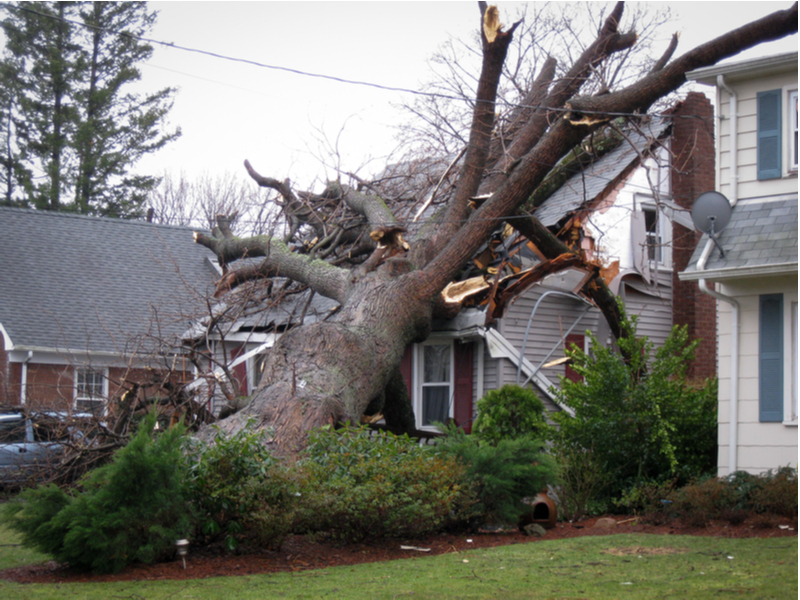
Homeowners insurance pays when a covered event like a windstorm, hail, lightning, or fire knocks a tree onto your home, detached garage, shed, or fence. Usually not if you want a tree removed before it falls, or if it comes down from rot or age without hitting anything.
Here’s how to care for your trees, and what to do if one comes down anyway.
 TL;DR
Yes. Regular trimming is a big part of tree health, and it matters for your safety and the look of your yard, too. Here’s why.
Tree trimming means removing branches that are diseased, dying, or dead, branches that rub together, and stubs where branches fell off. That helps the tree grow in a healthy way and opens up the canopy.
An open canopy lets light and air reach the whole tree. That lowers the chances of disease and helps that modest tree in your front yard grow into a proper, mature one.
Keeping on top of tree health should be part of your regular home maintenance. Properly pruned trees are healthy trees, and healthy trees are safe trees. (We’re going to print that on a t-shirt and wear it on the next Arbor Day.)
A tree with too much foliage can get top-heavy and fall over. Weak, damaged limbs can snap off suddenly and hurt people or property.
You also want branches well away from your roof, safety lights, and electrical cables, so they don’t get tangled up and cause damage. Tree damage can lead to expensive roof leaks, and you really don’t want to redo your roof when you don’t have to, especially with reconstruction costs rising.
Finally, trees growing wild on private or city property can block your view of traffic. That makes it hard to cross the street or pull out of your driveway safely.
The average homeowners fallen tree claim is about $3,500 (based on Lemonade internal data as of October 2026).
Looks aren’t everything. But when you prune a young tree regularly, you help shape it the way you like, encourage fruit and flowers, and keep it the right size for your yard.
Looks aren’t everything, but when you regularly prune a young tree you’ll help shape it the way you like, encourage fruiting and flowering, and make sure it stays the right size, so your urban forest enhances your home.
Trim dead, diseased, or broken limbs as soon as you see them. Regular pruning should follow a schedule. A professional tree care service can help you plan one, and then you can follow it yourself instead of calling in backup every time.
As a rule of thumb, experts say to wait until the first winter after planting before pruning a young tree for shape. After that, thin excess branches every three to five years.
There are two exceptions to those rules: early and late blooming trees.
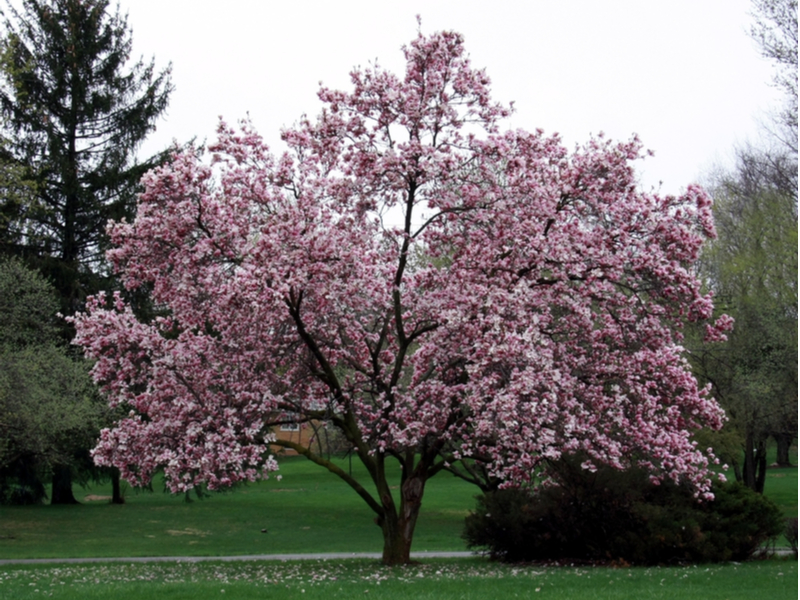
Early blooming trees need pruning right after they finish blooming, to encourage next year’s growth. Prune them in winter and you’ll discourage blooms. Early bloomers include:
Late blooming trees do best with pruning in early spring, shortly before they bloom. Late bloomers include:
Leave big shade trees to professionals who have the experience and the equipment. You can prune ornamental trees and smaller fruit trees yourself.
Don’t cut off too much of the crown, which is the top of the tree. If you’re just trimming, remove about 10 to 20% of the branches, focusing on thinner ones and any that rub against each other. On deciduous trees, the crown should make up about 60% of the tree, or it can weaken. Conifers can handle a 50/50 crown-to-trunk ratio.
Dead or hanging limbs over your roof account for 38% of tree-related roof claims. Take those down first. (Based on Lemonade internal data, 2026).
You can cut these with hand tools like clippers. Cut about ¼ inch above a bud that faces the outside of the branch. Angle the cut at 45 degrees to keep out disease and water damage.
Thicker branches usually need power tools, or sometimes a hand saw. Cut them so the tree forms a callus where the branch used to be.
You want your trees to make your property shadier and prettier. But sometimes all it takes is one storm to turn that stately oak into a threat. Wind, snow, ice, and heavy rain can hurt trees, so inspect and prepare them before storms roll through. Healthy trees can handle storm winds, but diseased ones can topple.
To minimize storm damage:
Check and prune your trees again right after a storm, too. That’s how you spot and remove cracked limbs.
Tree care is a year-round job, but give your trees extra attention in fall and winter. Here’s what to keep in mind through the year.
Fall is the time to plant new trees, check existing ones for signs of disease or pests, and mulch before winter.
How can you tell if a tree needs pruning? Remove any branches that are dead, diseased, or damaged. Also check for branches that hang over your roof or power lines, since they risk damage and power outages. Keep them a safe distance away.
You can also prune in spring or summer if you want to slow a tree’s growth. Prune just after the tree hits its peak leaf cover. Fewer leaves mean fewer nutrients taken in, and less growth.
You can’t always stop a tree from getting a disease or an infestation. But the earlier you spot a problem, the faster you can deal with it and the healthier your tree will be.
Keep an eye on your trees so you know what they look like in each season. Then you’ll notice when something changes. It’s worth having a certified arborist visit at least once, to teach you what to look for in your neighborhood, which pests are harmless, and which ones spell danger (emerald ash borer, we’re looking at you).
Take photos of your trees each season. They help you, your insurer, and your arborist see changes over time.
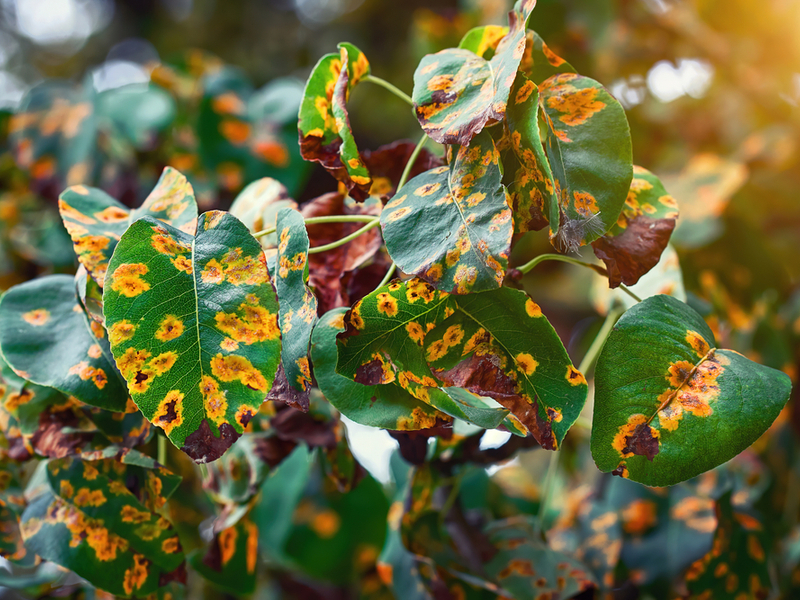
Mature trees can mostly thrive on their own, but your job is to watch over them. Think of yourself as a trusty tree guardian. A few ways to do it well:
Often, but not always. Homeowners insurance usually covers tree removal when a covered event, like a windstorm, hail, lightning, or fire, knocks a tree onto your home, a detached garage, a shed, or a fence. It may also cover removal when a fallen tree blocks your driveway or a ramp someone with a disability uses.
Coverage typically doesn’t extend to removing a tree before it falls, whether it looks healthy or diseased. It also typically doesn’t cover a tree that falls from rot or age without damaging anything insured.
Most policies cap how much they pay for debris removal. Check the page of your policy that lists your limits (it’s called the declarations page) to see yours.
If a tree lands on your car, that’s generally an auto insurance claim, not a homeowners one.
Coverage varies by policy and state, so read your policy or talk with us before you ever need to file a claim.
With the right care, your trees can keep your home shaded and beautiful for decades. It’s always smart to take a few precautions, too.
Keeping up with tree maintenance helps, and so does having Lemonade Homeowners insurance, which can help if storm-damaged trees harm your property or belongings. If you regularly park under a tree, give your car insurance a look, too.
A few quick words, because we <3 our lawyers: This post is general in nature, and any statement in it doesn’t alter the terms, conditions, exclusions, or limitations of the policies issued, which differ according to your state of residence. You’re encouraged to discuss your specific circumstances with your own professional advisors. The purpose of this post is merely to provide you with info and insights you can use to make such discussions more productive! Naturally, all comments by, or references to, third parties represent their own views, and Lemonade assumes no responsibility for them. Coverage may not be available in all states. Please note that statements about coverages, policy management, claims processes, Giveback, and customer support apply to policies underwritten by Lemonade Insurance Company or Metromile Insurance Company, a Lemonade company, sold by Lemonade Insurance Agency, LLC. The statements do not apply to policies underwritten by other carriers.
Please note: Lemonade articles and other editorial content are meant for educational purposes only, and should not be relied upon instead of professional legal, insurance or financial advice. The content of these educational articles does not alter the terms, conditions, exclusions, or limitations of policies issued by Lemonade, which differ according to your state of residence. While we regularly review previously published content to ensure it is accurate and up-to-date, there may be instances in which legal conditions or policy details have changed since publication. Any hypothetical examples used in Lemonade editorial content are purely expositional. Hypothetical examples do not alter or bind Lemonade to any application of your insurance policy to the particular facts and circumstances of any actual claim.