
How Much Homeowners Insurance Do I Need?
When it comes to homeowners insurance, how much coverage do you really need?


When it comes to homeowners insurance, how much coverage do you really need?
The short answer: enough to fully rebuild your home, replace everything in it, cover your living expenses if you’re displaced, and protect your finances if someone gets hurt on your property.
Getting those amounts right matters more than most people realize. A shocking 3 out of 5 Americans don’t have enough coverage, and most don’t find out until they’re in the middle of a claim. Here’s what the right amounts actually look like.
 TL;DR
TL;DR
| Home Value (Market) | Suggested Dwelling Coverage | Suggested Personal Property | Recommended Liability Minimum |
|---|---|---|---|
| $200,000 | $200,000–$300,000* | $100,000–$210,000 | $300,000 |
| $400,000 | $350,000–$500,000* | $175,000–$350,000 | $300,000–$500,000 |
| $600,000+ | $500,000–$700,000+ | $250,000–$490,000 | $500,000+ (consider umbrella) |
Dwelling coverage pays to repair or rebuild your home and attached structures, like a garage, if something goes wrong.
The number to focus on is your rebuild cost, not your home’s market value. The two aren’t the same, and there’s no automatic relationship between them.
The median cost to rebuild a home in the U.S. is around $280 per square foot, which works out to roughly $410,000 for a typical American home. That number shifts significantly based on location and construction type. Coastal Florida requires hurricane-resistant standards; California adds seismic code requirements; a 2,000 sq ft home with mid-range finishes in a mid-cost market typically falls in the $200,000–$350,000 range.
Ask your insurer for a replacement cost estimate when you quote. They’ll calculate it using your home’s details. You can also use a free online calculator for a ballpark figure.
One add-on worth asking about: Extended Replacement Cost coverage extends your dwelling limit beyond the base amount if rebuild costs spike after a widespread disaster like a hurricane or wildfire. If your carrier offers it, it’s generally worth adding.
Your policy also covers “other structures” on your property, not just the main house.
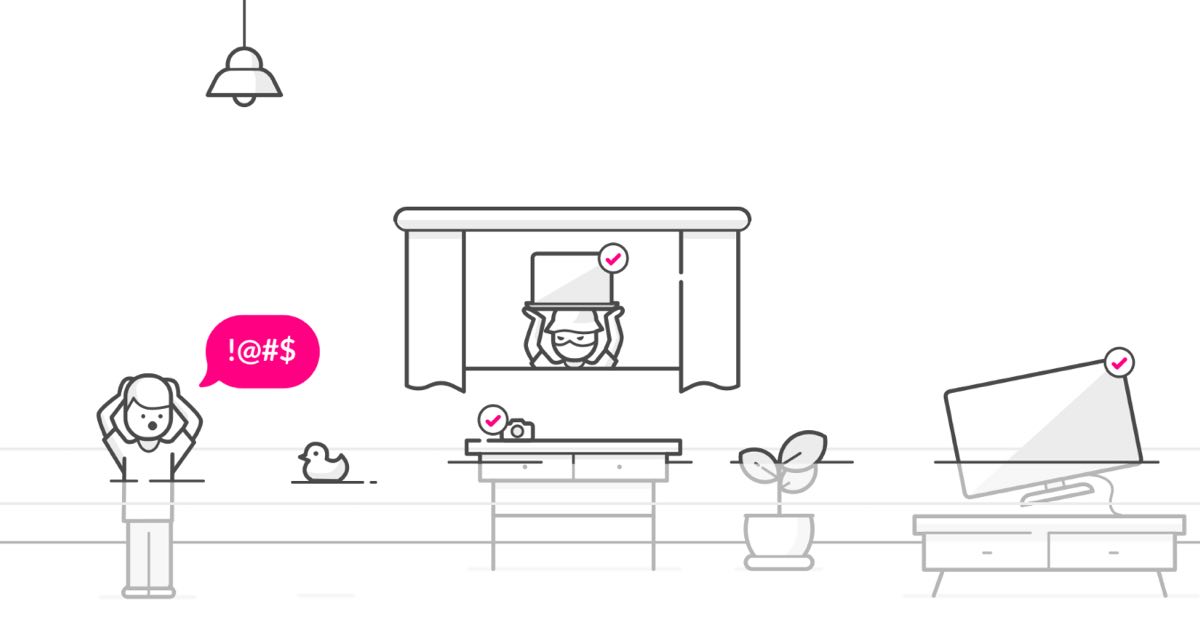
Personal property coverage protects everything you own, including furniture, electronics, appliances, clothing, and valuables, whether it’s inside your home or not.
Most carriers set your personal property limit at 50–70% of your dwelling coverage. For a home insured at $300,000, that’s $150,000–$210,000. If that doesn’t reflect what you actually own, adjust it.
The best way to know if it’s enough: do a home inventory. Go room by room, list everything you’d want to replace, and note the replacement cost for each item. It takes time, but it’s the only accurate way to set your limit, and it makes filing an insurance claim much easier.
ACV vs. RCV — this distinction matters:
One thing to know about sub-limits: standard policies cap certain high-value categories. Jewelry is often limited to $1,500 per item. If you own an engagement ring, fine art, musical instruments, or collectibles worth more, add Extra Coverage to cover those items at their appraised value.
Loss of use coverage, also called additional living expenses, covers the extra costs you rack up when a covered peril forces you out of your home.
That includes hotel stays, short-term rentals, pet boarding, storage, and the difference between your normal food spending and what you’re spending eating out every night while displaced.
The standard limit is 20–30% of your dwelling coverage. For a home insured at $300,000, that’s up to $90,000. Depending on your policy, coverage may last 12–24 months.
When comparing policies, confirm both the dollar cap and the duration limit. They vary by carrier.
Personal liability coverage protects you if someone is injured on your property, covering legal fees, medical bills, and any damages you’re found responsible for.
Most policies start at $100,000, but that’s rarely enough. Most insurance professionals recommend a minimum of $300,000–$500,000 in liability coverage. If you have a pool, trampoline, a dog, or significant assets, lean toward $500,000.
If your net worth is high, consider an umbrella policy. It provides $1 million or more in additional liability protection above your standard limit, and typically costs relatively little per year for what you get.
Medical payments to others is a separate, smaller coverage in your policy. It pays medical bills, regardless of fault, for minor injuries that happen on your property, like a guest who trips and needs stitches. Limits typically range from $1,000 to $5,000. It’s designed to handle small claims without going to court.
Homeowners insurance isn’t the most exciting thing to think about, but getting it right is one of the smartest things you can do as a homeowner. The right coverage means that if something goes wrong like a fire, a lawsuit, a burst pipe that forces you out for months – you’re not stuck figuring out how to cover the gap yourself.
If you’re ready to see what the right coverage looks like for your home, see what Lemonade can do for you.
Your dwelling coverage should equal the full cost to rebuild your home from the ground up, not its market value. The median rebuild cost in the U.S. is around $280 per square foot, but varies significantly by state and construction type. Ask your insurer for a replacement cost estimate, and consider adding Extended Replacement Cost coverage as a buffer.
Actual cash value (ACV) pays the depreciated worth of your item at claim time. Replacement cost value (RCV) pays what a new equivalent costs today. RCV costs slightly more in premium but provides significantly better protection. Most homeowners should choose RCV for both dwelling and personal property coverage.
Most carriers set personal property coverage at 50–70% of your dwelling coverage. For a home insured at $300,000, that’s $150,000–$210,000. Do a home inventory to confirm that figure reflects what you actually own.
It’s the standard minimum, but most insurance professionals recommend at least $300,000–$500,000. If you have a pool, trampoline, a dog, or significant assets, $500,000 is a safer baseline. An umbrella policy can extend coverage to $1 million or more.
Yes. Personal property coverage extends to your belongings anywhere, including a laptop stolen from your car, a bike taken from a coffee shop, or luggage lost during travel. Per-item sub-limits apply for jewelry, art, and electronics, so check your policy.
It’s an endorsement you add for high-value items, like an engagement ring, fine art, or collectibles, that exceed the sub-limits in a standard policy. Each item is individually listed and insured for its appraised value.
Dwelling coverage equal to what it actually costs to rebuild your home. Liability coverage that reflects your net worth and exposure. Common starting points are $100,000 to $300,000, but if your assets warrant it, higher limits or an umbrella policy are worth considering. Personal property coverage for your belongings at replacement cost. Don’t base dwelling coverage on market value since that includes land. High-value items like jewelry, art, or collectibles should be scheduled separately if they exceed standard policy limits. At Lemonade, we walk you through all of this during the quote. Read the full thread on Reddit
Your dwelling coverage is based on what it would cost to rebuild your home today – not its market value or purchase price. That means factoring in local construction costs, your home’s size, materials, and any upgrades. Market value isn’t the right number here because it includes the land your home sits on, which doesn’t need rebuilding. At Lemonade, we calculate your home’s replacement cost during the quote process – so the coverage limit reflects what it would actually take to rebuild, not just what you paid for it. Read the full thread on Reddit
A few quick words, because we <3 our lawyers: This post is general in nature, and any statement in it doesn’t alter the terms, conditions, exclusions, or limitations of the policies issued, which differ according to your state of residence. You’re encouraged to discuss your specific circumstances with your own professional advisors. The purpose of this post is merely to provide you with info and insights you can use to make such discussions more productive! Naturally, all comments by, or references to, third parties represent their own views, and Lemonade assumes no responsibility for them. Coverage may not be available in all states. Please note that statements about coverages, policy management, claims processes, Giveback, and customer support apply to policies underwritten by Lemonade Insurance Company or Metromile Insurance Company, a Lemonade company, sold by Lemonade Insurance Agency, LLC. The statements do not apply to policies underwritten by other carriers.
Please note: Lemonade articles and other editorial content are meant for educational purposes only, and should not be relied upon instead of professional legal, insurance or financial advice. The content of these educational articles does not alter the terms, conditions, exclusions, or limitations of policies issued by Lemonade, which differ according to your state of residence. While we regularly review previously published content to ensure it is accurate and up-to-date, there may be instances in which legal conditions or policy details have changed since publication. Any hypothetical examples used in Lemonade editorial content are purely expositional. Hypothetical examples do not alter or bind Lemonade to any application of your insurance policy to the particular facts and circumstances of any actual claim.