
Are You Prepared to Protect Your Home from Severe Winter Storms?
Skip the expensive mess. Here's what homeowners need to do before it gets cold.

Skip the expensive mess. Here's what homeowners need to do before it gets cold.
Here’s what to do right now if dangerous cold is heading your way:
Protect Your Pipes (Next 30 Minutes)
Keep Heat In (Next Hour)
Emergency Prep (Today)
Most Important: Never let your place drop below 55°F, even to save money.
 TL;DR
TL;DR
Frozen pipes are every homeowner’s worst nightmare because they can burst and cause thousands in water damage. When water freezes, it expands and can crack pipes, flooding your home when they thaw.
Keep several days’ worth of water stored (1 gallon per day per person) in case your pipes do freeze and you lose water access temporarily.
What’s covered by insurance: If your pipes freeze and burst, causing damage to your home or belongings, you’re covered for both the repairs and temporary hotel stays… as long as you maintained reasonable heat in your home or shut off the water supply if you were away during the storm.
However, if pipes just freeze without bursting and you temporarily lose water access, that’s not covered under loss of use.
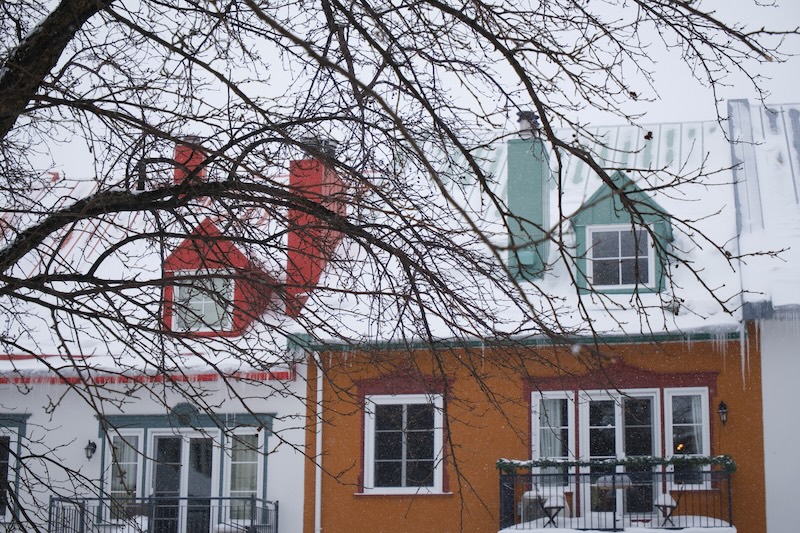
Your roof takes a beating during winter storms. Heavy snow can cause structural damage, while ice dams can force water into your home and destroy walls, ceilings, and belongings.
Snow is deceptively heavy. A severe snowstorm can pile hundreds of pounds of weight on your roof. Add ice and wind damage, and you’re looking at potential roof collapse or major leaks.
Understanding ice dams: When heat from your house melts roof snow, that water can refreeze at the roof’s edge, creating an ice dam. This blocks your gutters and forces water under shingles and into your home.
What’s covered by insurance: Storm damage to your roof from snow weight, wind, or falling trees is typically covered, including resulting water damage to your belongings.
Losing power during extreme cold puts your family and home at serious risk. Without heat, pipes can freeze, and without lights or communication, emergency situations become dangerous.
Power outages alone aren’t covered by homeowners insurance unless they cause actual damage to your home. That’s why preparation is crucial.
If you do get a generator, never run it inside your home, garage, or near windows: carbon monoxide from generators kills people every winter.
Drafty, inefficient windows make your heating system work overtime and create uncomfortable cold spots throughout your home. While full window replacement is expensive, there are affordable ways to improve their winter performance.
Window winterization steps:
Walk around your house with a lit candle or incense stick. Wherever the flame flickers, you’ve found an air leak that’s costing you money on heating bills.
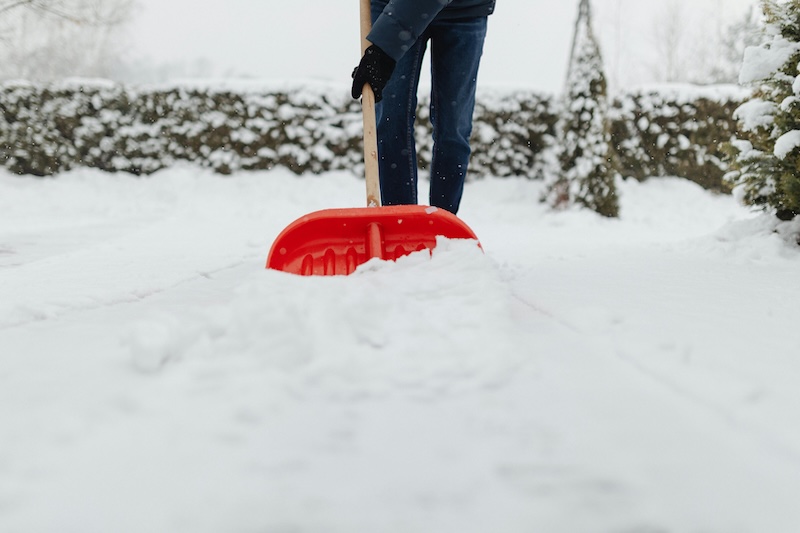
Icy steps and walkways aren’t just inconvenient, they’re liability risks. If someone gets injured on your property due to ice, your homeowners insurance personal liability coverage may help, but prevention is always better.
Don’t wait until after someone falls: be proactive about keeping walkways clear and safe.
When winter ends and temperatures rise quickly, melting snow can overwhelm drainage systems and flood basements. This type of flooding usually isn’t covered by standard homeowners insurance. It’s considered a flood, which requires separate flood insurance.
The key is keeping water away from your foundation before it becomes a problem.
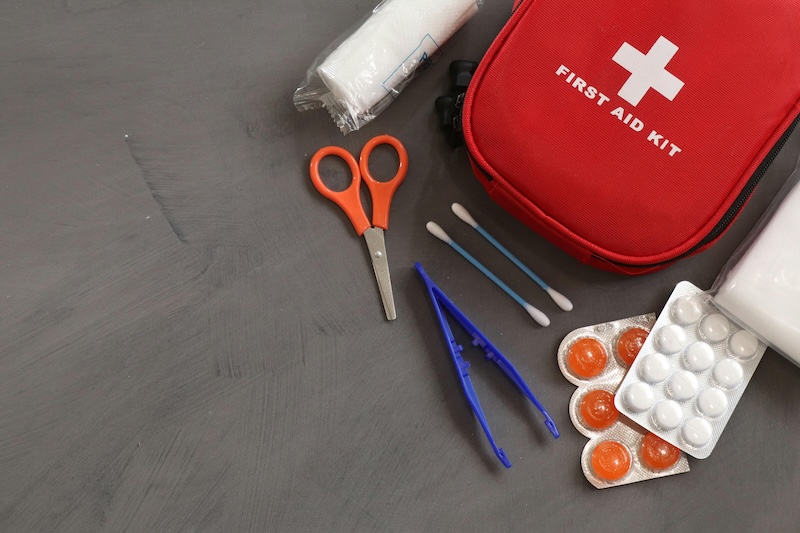
Severe winter storms can leave you stranded at home for days without power, heat, or the ability to travel safely. Having proper emergency supplies means you can weather the storm safely.
Store supplies in an accessible location and check expiration dates regularly. Don’t wait until a storm is forecast to gather these items.
Understanding your coverage helps you prepare better and know what to expect if damage occurs. Here’s what’s typically covered and what isn’t:
| Usually covered | Usually not covered |
|---|---|
| Burst pipe damage to your home and belongings, plus temporary housing costs | Power outages without physical damage to your home |
| Roof damage from snow weight, wind, or falling trees | Frozen pipes that don’t burst (no temporary housing coverage) |
| Interior damage from ice dams (though roof damage from ice dams may not be) | Snowmelt flooding (requires separate flood insurance) |
| Personal liability if someone is injured on your property | Lack of heat or normal winter weather inconveniences |
Every policy has exclusions, and these are standard across the insurance industry. The key is preventing damage before it happens rather than relying on insurance to fix problems.
Regular maintenance is your best defense against winter storm damage. Don’t wait until severe weather is forecast to address these items.
Preparing your home for severe winter weather isn’t just about comfort, it’s about preventing thousands of dollars in damage and keeping your family safe. The key is acting before severe weather hits, not scrambling to fix problems after they start. A well-prepared home weathers winter storms without major damage, while unprepared homes can suffer devastating losses.
Start with the most critical items, pipe protection and roof maintenance, then work through the complete checklist. Your future self will thank you when you’re warm and dry while others are dealing with frozen pipes and emergency repairs. And while you’re at it, check out how you can protect your home with Lemonade insurance.
A few quick words, because we <3 our lawyers: This post is general in nature, and any statement in it doesn’t alter the terms, conditions, exclusions, or limitations of policies issued by Lemonade, which differ according to your state of residence. You’re encouraged to discuss your specific circumstances with your own professional advisors. The purpose of this post is merely to provide you with info and insights you can use to make such discussions more productive! Naturally, all comments by, or references to, third parties represent their own views, and Lemonade assumes no responsibility for them. Coverage and discounts may not be available in all states.
Share


Please note: Lemonade articles and other editorial content are meant for educational purposes only, and should not be relied upon instead of professional legal, insurance or financial advice. The content of these educational articles does not alter the terms, conditions, exclusions, or limitations of policies issued by Lemonade, which differ according to your state of residence. While we regularly review previously published content to ensure it is accurate and up-to-date, there may be instances in which legal conditions or policy details have changed since publication. Any hypothetical examples used in Lemonade editorial content are purely expositional. Hypothetical examples do not alter or bind Lemonade to any application of your insurance policy to the particular facts and circumstances of any actual claim.