
Strut Replacement Cost: What You'll Actually Pay
Labor costs, OEM vs aftermarket parts, and when insurance might actually help.

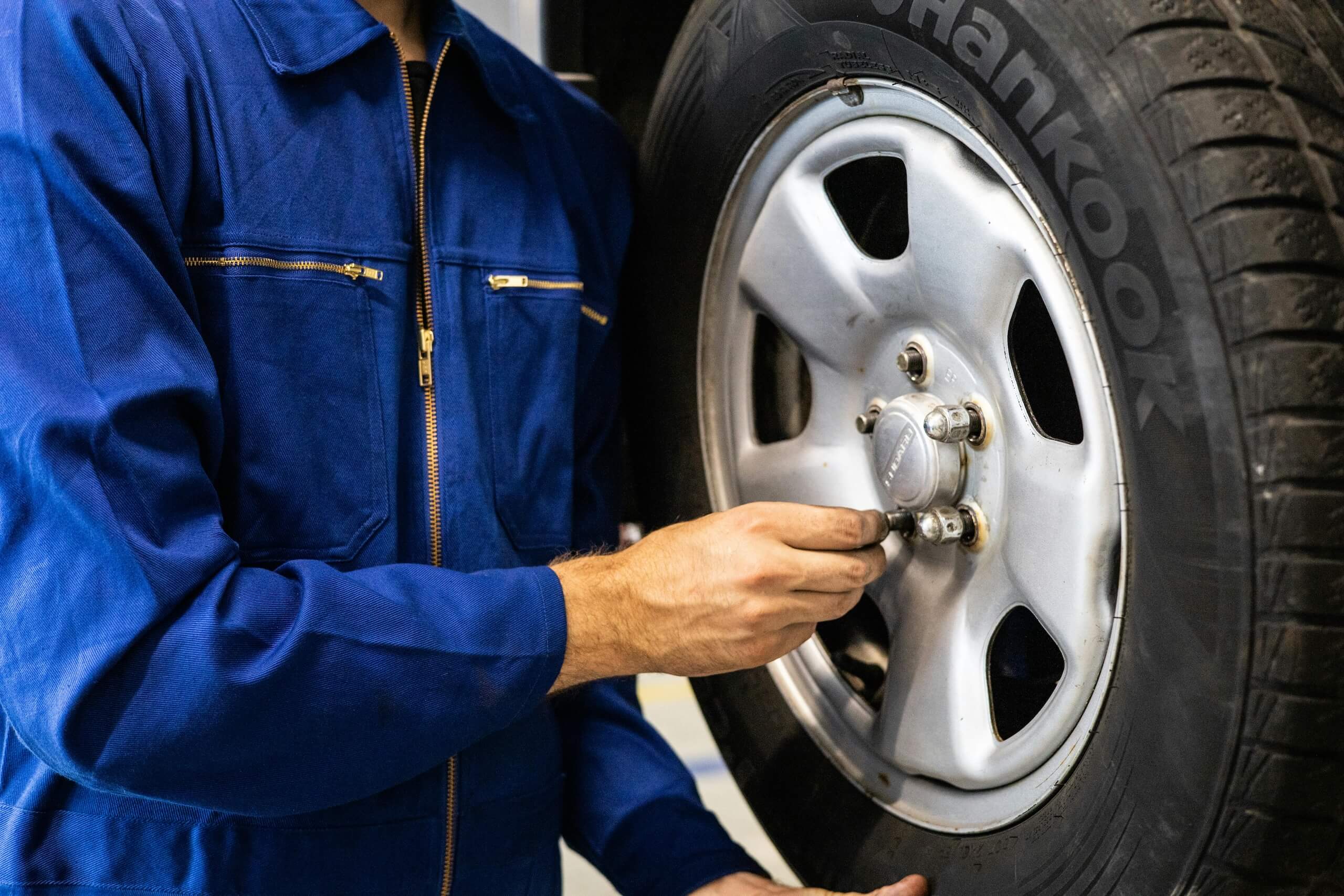
Labor costs, OEM vs aftermarket parts, and when insurance might actually help.
Strut replacement typically costs $400–$1,500 per pair, with labor adding $150–$300 per strut to your total bill. Your car’s make, whether you choose OEM or aftermarket parts, and your local labor rates determine the final price.
Here’s what affects your strut replacement cost and how to handle this repair smartly.
 TL;DR
TL;DR
A Toyota Camry strut replacement will cost less than fixing a BMW’s suspension system. Popular models like Chevrolet and Toyota have more aftermarket options, keeping costs down. Luxury cars often require specialized parts and longer labor times.
Here’s how your part choice affects both cost and performance:
| Part type | Cost | Pros | Cons |
|---|---|---|---|
| OEM parts | Higher | Guaranteed compatibility, better longevity, exact specifications | More expensive |
| Aftermarket parts | Lower | Cost savings, performance upgrade options | Quality varies, need reputable brands |
Dealerships typically charge $100–$150 per hour, while independent repair shops might charge $75–$120. Some cars have strut assemblies integrated with coil springs, making replacement more complex and expensive.
Don’t wait until your suspension system completely fails. Watch for these warning signs:
Worn struts affect your car’s handling, braking distance, and tire wear. Ignoring these symptoms leads to bigger repair bills.
Your skill level and available time determine which route makes sense:
You’ll save on labor costs but need specialized tools like a spring compressor. This job requires mechanical knowledge and safety precautions, compressed coil springs can cause serious injury.
Repair shops handle the complex work and usually provide warranties on their labor. They’ll also check related suspension components like control arms, sway bar bushings, and ball joints.
Your car insurance typically won’t cover strut replacement since it’s considered normal wear and tear. However, you might have coverage if:
Check your deductible, if strut replacement costs less than your deductible, you’ll pay out of pocket anyway. Most standard auto insurance policies don’t cover routine maintenance or aging suspension components.
Labor rates vary significantly between dealerships, chain shops, and independent mechanics. Get at least three estimates before committing.
If one strut fails, the other side probably isn’t far behind. Replacing struts in pairs ensures balanced handling and prevents uneven tire wear.
You’ll likely need a wheel alignment after strut replacement. Some shops include this in their pricing, others charge separately. Ask upfront to avoid surprises.
New car warranties typically cover strut replacement for the first few years. Extended warranties might cover suspension components too.
Strut replacement isn’t optional, it’s essential for safe driving and protecting your tires. While the average cost might seem steep, worn struts affect your car’s braking, steering, and overall safety.
If you’re dealing with strut problems, get quotes from trusted local shops and factor in the total cost of parts, labor, and alignment. Your car feels better, handles safer, and your tires last longer with properly functioning suspension components.
Ready to protect your investment? Getting the right car insurance means you’re covered when unexpected damage happens. See what Lemonade can do for your car in just a few minutes.
Most struts last 50,000–100,000 miles, depending on your driving conditions. Frequent pothole encounters, rough roads, and aggressive driving can shorten their lifespan.
You can, but it’s not recommended. Mismatched struts create uneven handling and accelerate tire wear. Replace struts in pairs for best results.
Many modern cars use strut assemblies that combine both functions. If your car has struts, they handle both spring support and dampening. A mechanic can identify which system your car uses.
Yes. Worn struts put extra stress on tires, causing uneven wear. They also affect steering components, brake rotors, and other suspension parts like control arms and bushings.
Yes. New struts change your car’s suspension geometry, affecting wheel alignment. Skip this step and you’ll get uneven tire wear and poor handling.
A few quick words, because we <3 our lawyers: This post is general in nature, and any statement in it doesn’t alter the terms, conditions, exclusions, or limitations of policies issued by Lemonade, which differ according to your state of residence. You’re encouraged to discuss your specific circumstances with your own professional advisors. The purpose of this post is merely to provide you with info and insights you can use to make such discussions more productive! Naturally, all comments by, or references to, third parties represent their own views, and Lemonade assumes no responsibility for them. Coverage and discounts may not be available in all states.
Share


Please note: Lemonade articles and other editorial content are meant for educational purposes only, and should not be relied upon instead of professional legal, insurance or financial advice. The content of these educational articles does not alter the terms, conditions, exclusions, or limitations of policies issued by Lemonade, which differ according to your state of residence. While we regularly review previously published content to ensure it is accurate and up-to-date, there may be instances in which legal conditions or policy details have changed since publication. Any hypothetical examples used in Lemonade editorial content are purely expositional. Hypothetical examples do not alter or bind Lemonade to any application of your insurance policy to the particular facts and circumstances of any actual claim.