
 Daniel Schreiber
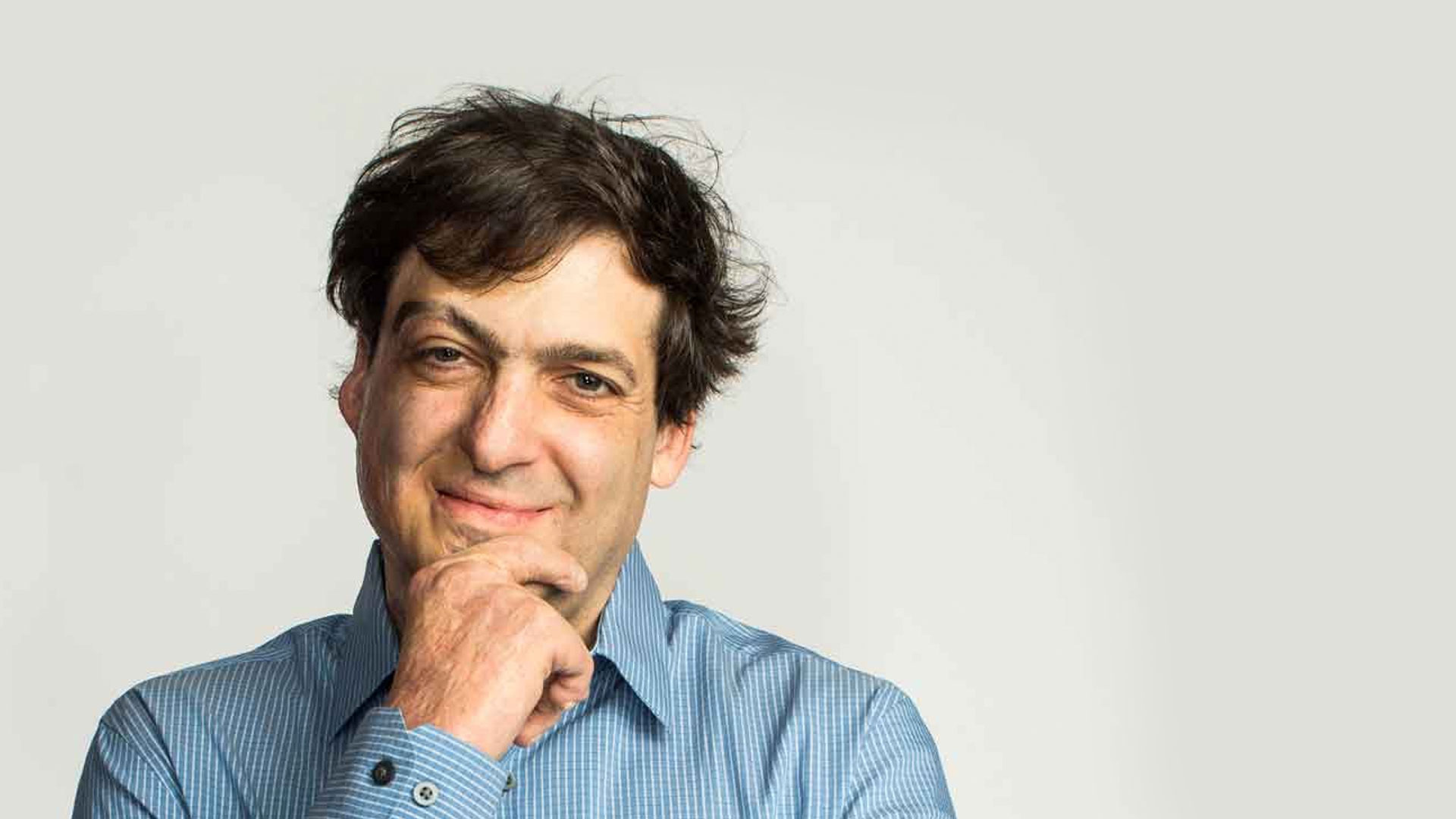
Dan Ariely is taking on insurance, and the industry may never be the same again.
Today’s most renowned behavioral economist, and Lemonade’s Chief Behavioral Officer, Professor Ariely was crowned one of the age’s ‘most influential thinkers’ by Bloomberg, his TED talks have been viewed over 12 million times, and his three books were New York Times bestsellers. All of which is to say: we’re thrilled he’s Lemonade’s Chief Behavioral Officer.
Dan spent the last few years researching ‘dishonesty’. His book (The Honest Truth about Dishonesty) became a feature-length movie, the trailer of which you can see here:
Here’s the bottom line: humans can behave very well or very poorly depending on context, and Dan has mapped that context as never before. In the above clip, Dan shows how one tweak to a process eradicates dishonesty while another seemingly trivial tweak doubles it.
This is a BIG deal.
Distrust is the bane of the insurance industry – I guesstimate it to be a trillion dollar problem. By some estimates 38% of the money in the system is consumed by dishonesty (Wikipedia), and by all accounts mutual distrust ruins the insurance experience beyond what these stratospheric numbers convey.
Upstanding citizens like you and me let our demons loose when it comes to insurance, and our insurance company responds in kind: denying our claims and generally treating us as criminals –the very attitude that made us behave as we did in the first place. And so the cycle spirals downward, sucking out any residual good will, as the system pits insured against insurer, locking us in a zero-sum struggle for the same coin.
A little hyperbolic? Maybe. But only a little. As Dan has put it, if you set out to design a system to bring out the very worst in people – a system that is anonymous, adversarial, win-lose, opaque and indifferent – you would end up with something unnervingly like an insurance company.
For the first time in ages, though, someone – Dan Ariely no less – is setting out to design an insurance experience with the aim of bringing out the very best in people.
Here’s a sneak peak. There are three nodes in any insurance ‘network:’ the insured, their peers, and their insurer:

Today’s insurance construct makes our peers invisible (strike 1) and casts our insurer as our adversary (strike 2). Lemonade’s insurance model changes both, eliminating the adversarial dynamic, realigning incentives, introducing transparency, and otherwise overhauling the insurance experience soup-to-nuts.
Could it be that a process steeped in behavioral economics and technology, and unencumbered by legacy, can transform the very DNA of insurance?
(Spoiler alert: We think it could).
 Shai Wininger
 Team Lemonade